Choosing among the Top 10 Exchange Table Fiber Laser Cutting Machines requires more than comparing laser power and price. In real workshops, productivity depends on loading speed, cutting stability, software control, and after-sales support. An Exchange Table Fiber Laser Cutting Machine can reduce idle time by moving one worktable outside the cutting zone while another table operates inside. This matters when operators process thick steel plates throughout a busy shift.
This guide evaluates leading machines through practical criteria, including cutting accuracy, exchange speed, drive systems, safety design, and service reliability. It also considers details that catalogs often overlook. For example, a stable machine should produce clean edges on stainless steel without excessive dross. Its table should remain smooth after repeated loading with heavy sheets. Operators should also find the control interface clear, even during urgent production changes.
No single model suits every factory. A compact machine may fit a small fabrication shop, while a high-power system may better serve structural steel production. Real results can vary with material quality, gas purity, maintenance, and operator experience. That limitation deserves attention. Some advertised specifications look impressive, yet they may not reflect daily performance. Therefore, this overview combines technical analysis with practical observations, helping buyers compare machines more responsibly. Readers should verify current specifications, certifications, warranty terms, and local service coverage before making a final decision. Small details often decide long-term value.
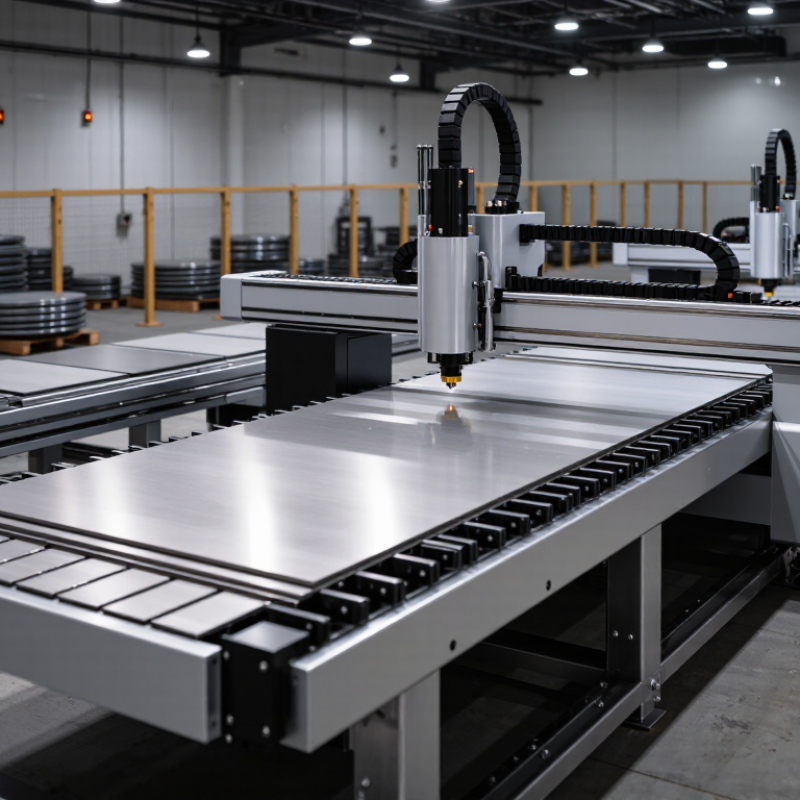
An exchange table fiber laser cutting machine uses two interchangeable worktables around one cutting area. While the laser cuts a metal sheet, the second table moves out for unloading and loading. The tables then switch positions, reducing idle time between jobs. This design suits mild steel, stainless steel, aluminum, and other approved sheet materials. A fiber laser creates a concentrated beam, while CNC controls guide the cutting head along programmed paths.
In daily workshop use, operators place a new sheet on the open table and remove finished parts from the other side. That simple movement can improve production flow. It also reduces repeated waiting near the cutting zone. However, the machine still needs accurate nesting, stable assist gas, clean optics, and correct focus settings. Small errors can leave rough edges or incomplete cuts. Safety enclosures, interlocks, ventilation, and trained operation remain essential.
The exchange table is not magic. Thick materials may cut slowly, and heavy sheets can delay table movement. Floor space also matters because the table needs a clear travel path. A practical test should compare loading time, cutting speed, energy use, and maintenance access. Some workshops choose a larger machine too early. I would review actual sheet sizes and daily workload first. That choice is less impressive, but often more reliable.
Top 10 Exchange Table Fiber Laser Cutting Machines
How Exchange Tables Improve Cutting Efficiency and Workflow
Exchange table fiber laser cutting machines reduce idle time between cutting cycles. One table moves into the cutting area while the other receives new material. Operators can unload finished parts and load sheets without waiting for the laser head to stop. This simple movement can improve output during long production runs. It also keeps material handling more predictable.
In a well-organized workshop, a complete exchange cycle may take only a few seconds. Sensors confirm table position before cutting begins. Accurate positioning supports consistent edge quality and reduces setup mistakes. Operators can prepare mild steel, stainless steel, or aluminum sheets beside the machine. Clear loading zones matter. Poorly placed pallets can slow the entire workflow.
The best systems combine fast tables with reliable controls, strong extraction, and accessible maintenance points. Speed alone is not enough. A weak loading routine can erase the expected gains. Experienced teams track loading time, cutting time, and rejected parts separately. This reveals where efficiency is actually lost. Sometimes, the table is not the problem. Material warping, incorrect nesting, or delayed inspection may cause larger interruptions. Regular rail cleaning and sensor checks also protect repeatability, although these tasks are easy to postpone. That is a mistake. Consistent habits often improve workflow more than a higher table speed.
The chart compares ten common exchange-table machine formats by nominal working area, calculated from the listed bed dimensions. A larger working area can accommodate larger sheets, while the exchange-table design allows operators to load and unload material on one table while cutting continues on the other, reducing idle handling time and supporting a more continuous workflow. Actual specifications and changeover performance vary by machine configuration and operating conditions.
The top ten exchange table fiber laser machines should be judged by practical cutting performance, not headline wattage. An exchange table can reduce loading delays, especially when operators prepare the next sheet beside the cutting area. Automatic nozzle changing, autofocus, piercing control, and real-time height sensing also influence daily output. Speed is not everything.
A 2023 report from the International Federation of Robotics recorded 541,302 industrial robot installations worldwide, highlighting the growing value of connected automation. For these machines, reliable communication between the laser source, table, sensors, and material-handling system matters greatly.
Cutting quality depends on more than the machine frame. Buyers should examine edge smoothness, thermal distortion, kerf consistency, and performance across mild steel, stainless steel, and aluminum. Efficient nesting software can reduce scrap, while stable assist-gas control helps maintain repeatable pierces.
Fortune Business Insights projects strong growth in the global laser cutting machine market through 2030, reflecting wider investment in flexible production. However, report definitions differ, so market figures should not be treated as exact purchasing evidence. My ranking would also change with sheet thickness, shift length, service access, and operator skill.
A powerful machine may underperform in a poorly maintained workshop. That is easy to overlook. Independent sample testing, logged cycle times, energy readings, and local maintenance capability provide more trustworthy evidence than brochures alone.
Safety interlocks, enclosed beam paths, extraction performance, and documented training should remain essential evaluation points.
When comparing the top ten exchange table fiber laser cutting machines, start with workload, not advertised wattage. Power determines thickness range, but excessive power may raise costs and heat sensitivity. A 6 kW source can suit many steel jobs, while thin stainless sheets may need less. Check tested cutting charts, nozzle options, and actual pierce times. Request samples using your own materials. Paper specifications can mislead.
Precision depends on frame stiffness, motion control, and calibration habits. Inspect a 1 mm slot under magnification, then measure hole roundness with a gauge. Speed figures often describe straight cuts on ideal sheets. Real production includes loading, unloading, nesting, and nozzle changes. An exchange table reduces idle time when movement remains stable. I have seen fast machines lose output through poor setup discipline.
Tips: Compare parts per hour, not only millimeters per minute. Request a timed demonstration with common sheet sizes. Review automation for pallet changing, focus adjustment, height sensing, and fault alerts. Good software should make corrections visible, not hidden. Examine training, service response, and spare-part access. A machine saving ten seconds may still disappoint when calibration takes half a day. Automation helps, but it is not infallible.
Exchange-table fiber laser cutters suit sheet-metal workshops, electrical cabinets, kitchen equipment, and agricultural machinery. Their dual-table design reduces loading delays between jobs. Grand View Research reported strong growth in the global laser cutting machine market, driven by automation and demand for faster metal processing. Still, speed alone should not decide a purchase. Check the working area, maximum sheet weight, cutting thickness, positioning accuracy, and availability of local technical support. A larger table may be useful, but it also needs more floor space and stronger material handling.
Applications vary by material. Mild steel, stainless steel, and aluminum require different gas settings, nozzle choices, and power levels. Operators should record pierce time, gas pressure, lens condition, and cut-edge quality. Small errors become expensive over long production runs. The U.S. Department of Energy notes that compressed-air leaks can waste 20–30% of compressor output, so leak checks deserve a fixed maintenance schedule. Clean protective windows carefully. Replace damaged consumables early.
Safety must remain practical, not decorative. OSHA classifies high-power industrial lasers as serious eye, skin, and fire hazards. Enclosed beam paths, interlocked doors, extraction systems, and documented training are essential. Buying teams should verify conformity with applicable machinery and laser-safety standards, including ISO 12100 and IEC 60825-1. Ask for maintenance records, software update policies, emergency-stop testing, and realistic service response times. Cheap ownership estimates often ignore downtime. That assumption needs challenging.
One table cuts while the other is loaded. This reduces waiting between cycles.
They commonly process mild steel, stainless steel, and aluminum sheets.
A well-organized cycle may take only a few seconds. Poor pallet placement can slow it down.
Sensors should confirm the table position. Operators should also check rails, sheets, nozzles, and loading space.
No. Power affects thickness, cost, and heat sensitivity. Excessive power may bring limited benefits.
Inspect a narrow slot under magnification. Measure hole roundness with a gauge. Check calibration records regularly.
Compare completed parts per hour, not only cutting speed. Include loading, unloading, nesting, and nozzle changes.
Useful features include pallet changing, focus adjustment, height sensing, and fault alerts. Operators still need to review corrections.
Clean the rails and inspect sensors regularly. Accessible maintenance points can reduce service delays. These tasks are easy to postpone.
Poor setup, warped sheets, incorrect nesting, or delayed inspection can erase speed gains. The table may not be the real problem.
An Exchange Table Fiber Laser Cutting Machine is a modern metal processing system designed to improve productivity by using two interchangeable worktables. While one table is cutting inside the machine, the other can be unloaded and prepared with new material, reducing idle time and creating a smoother workflow. This design is especially valuable for operations that require continuous production, accurate results, and efficient material handling.
This overview examines the key features of the top 10 fiber laser cutting machines, including laser power, cutting precision, operating speed, control systems, and automation capabilities. It also explains how to compare machines according to production needs, material types, thickness ranges, energy use, and overall operating costs. In addition, the article discusses common applications, routine maintenance, workplace safety, installation requirements, and important buying considerations, helping readers select a reliable solution that balances performance, efficiency, flexibility, and long-term value.