Explore our export-ready fiber laser cutting machines, handheld laser welders, and automated precision systems built with tier-1 components.
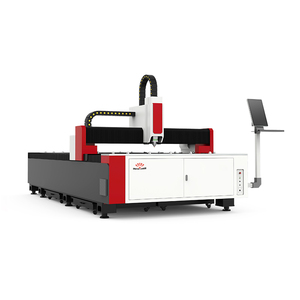
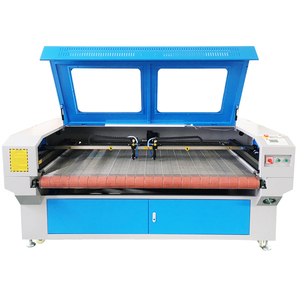
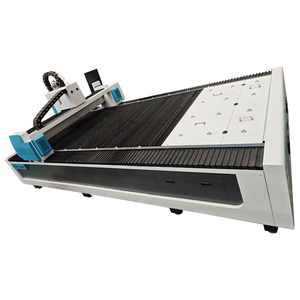
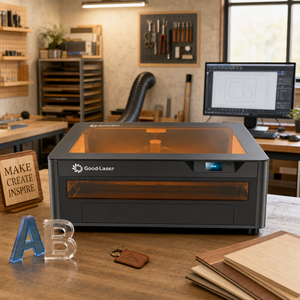
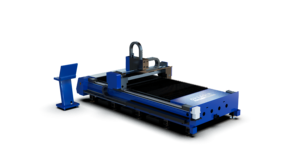
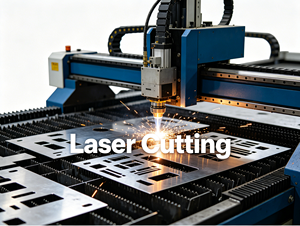
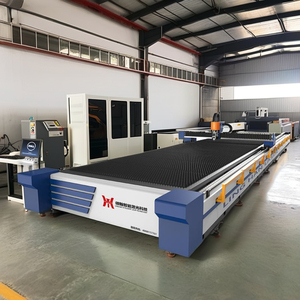
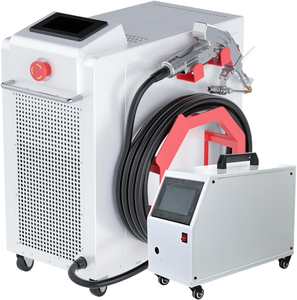
As industrial automation accelerates globally, metal fabricators and Tier-1 OEM suppliers face escalating challenges: rising welder labor costs, stringent safety regulations, high thermal distortion rates from legacy TIG/MIG welding, and demands for zero-defect output. Selecting a trusted China Top Laser Welder Factory & Supplier is no longer merely a purchasing decision—it is a strategic infrastructure investment.
Modern fiber laser welding technology converts electrical energy into a high-density coherent light beam operating at the 1064nm wavelength. This concentrated thermal energy achieves deep penetration welding with minimal Heat-Affected Zone (HAZ), reducing post-weld grinding by up to 90%. As a premier industrial machine builder, our engineering methodology bridges high-power optical systems with heavy-duty structural design, delivering long-term positional stability and continuous 24/7 operational capability.
Every structural gantry frame undergoes 600°C high-temperature annealing and stress-relieving in industrial electric furnaces to prevent structural warping after thousands of operational hours.
We partner exclusively with global optical leaders including Raycus, MAX, IPG laser generators, and Raytools or Sup20T wobble welding heads equipped with dual-protective lens designs.
Each unit undergoes strict full-power burn-in testing, laser beam profiling, weld seam penetration metallography checks, and complete video verification prior to export packing.
When evaluating capital equipment investments, industrial buyers must look beyond initial machine cost to analyze Total Cost of Ownership (TCO), power consumption per meter of weld, consumable usage, and required labor skill levels. Below is an engineering comparison between modern fiber laser systems and traditional arc welding platforms:
| Performance Metrics | Handheld Fiber Laser (1.5kW-3kW) | Traditional TIG Welding | Traditional MIG Welding |
|---|---|---|---|
| Welding Speed | 1200mm/min – 3000mm/min (4x-10x faster) | 150mm/min – 300mm/min | 250mm/min – 500mm/min |
| Heat-Affected Zone (HAZ) | Extremely Narrow (< 0.5mm thermal spread) | Wide (Causes panel buckling) | Moderate to High |
| Post-Weld Processing | Zero to Minimal Grinding Required | Extensive Grinding & Polishing | Heavy Slag Removal & Grinding |
| Operator Skill Requirement | Low (Trainable within 2-4 Hours) | High (Requires Certified Welder) | Medium to High |
| Consumable Expense | Nozzles & Protective Windows Only | Tungsten Electrodes, Filler Rods | High Wire & Contact Tip Consumption |
| Wobble Head Functionality | Adjustable 0-5mm Oscillation Width | Manual Weaving Required | Manual Weaving Required |
Our manufacturing facility utilizes high-precision CNC gantry milling centers to machine guide rail mounting surfaces in a single setup, guaranteeing absolute geometric parallelism across the X, Y, and Z axes. Coupled with dual collimator laser alignment tools and Renishaw interferometers, we deliver sub-millimeter tolerances across all production series.
Whether you require standard 1500W-3000W handheld laser welders, dual-table sheet metal cutting systems, or custom 6-axis robotic automated cells, our engineers provide comprehensive utility installation blueprints, electrical schematics, and tailored cutting/welding parameter libraries.
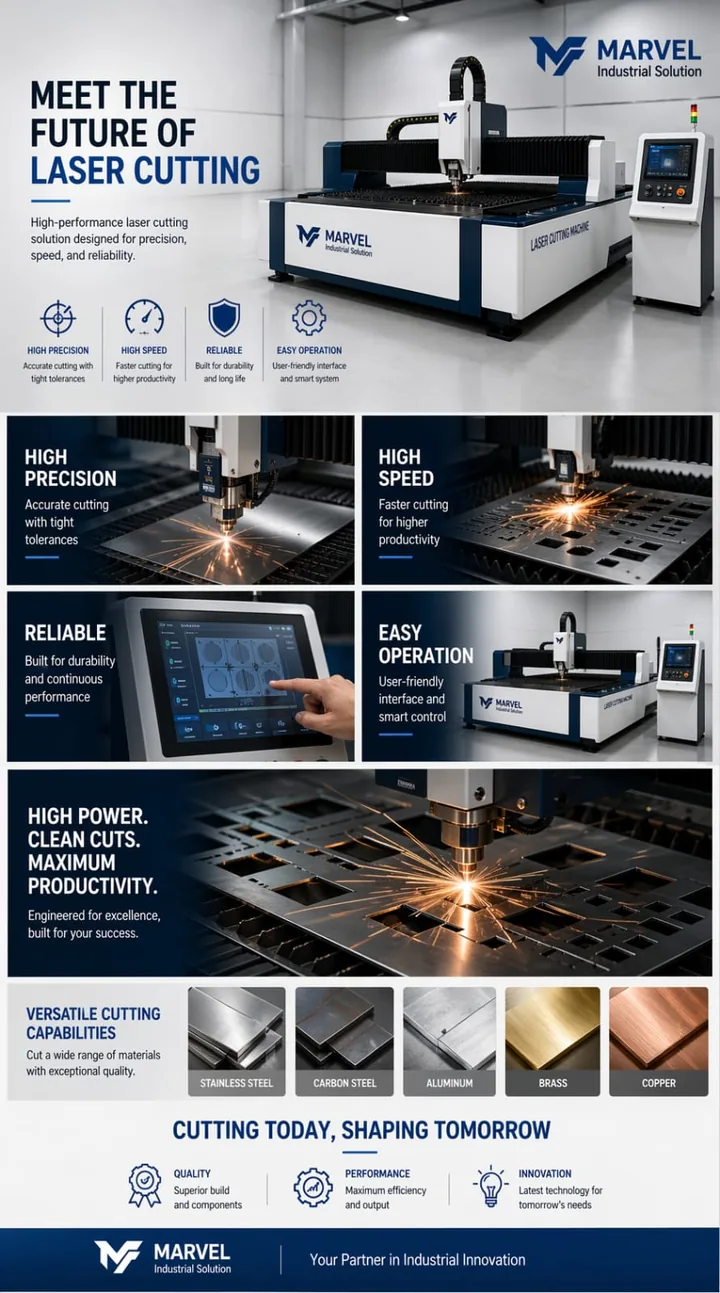
Strategic procurement directors must plan equipment acquisitions around technological trajectories. Based on real-world factory deployments and market intelligence, four key trends are shaping the laser welding landscape:
While water-cooled systems remain the gold standard for continuous 24/7 heavy industrial fabrication due to superior thermal stability, air-cooled handheld units are gaining traction in light metal fabrication. Eliminating external chillers reduces total machine weight by 40%, enabling field installation crew mobility.
Modern machine buyers increasingly demand versatility. 4-in-1 laser systems integrate Welding, Weld Seam Cleaning, Metal Rust Removal, and Sheet Cutting into a single optical torch via rapid nozzle swapping and control software parameter switching, maximizing equipment utilization across diverse factory orders.
To eliminate manual labor dependency entirely, factories are combining 2kW-3kW fiber laser welders with 6-axis Collaborative Robots (Cobots) equipped with CCD vision sensors. Real-time seam tracking algorithms dynamically compensate for joint gaps up to 2.0mm, ensuring perfect weld integrity on complex curved automotive and HVAC assemblies.
For highly reflective non-ferrous metals like pure copper, brass, and aluminum alloys, hybrid laser optical heads combine a blue laser (450nm) for surface absorptivity with a fiber laser (1064nm) for deep penetration melt pool creation, eliminating spatter and porosity in EV battery cell welding.
The global sheet metal fabrication industry is undergoing a systemic shift toward digital, interconnected smart factories. Key technological milestones driving this evolution include:
Below are analytical, engineering-focused answers to the most common questions raised by international procurement managers when sourcing laser welders from China.
