Explore China's premier CNC fiber laser cutters, CO2 precision engravers, sheet metal fabricators, and handheld laser welding systems optimized for global industrial export.
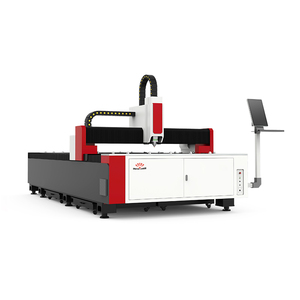
High-power heavy-duty CNC fiber laser cutting machine designed for large-format 4000x1500mm carbon steel and stainless steel processing.
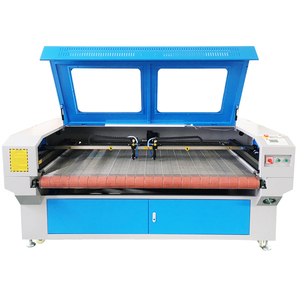
Versatile dual-head auto-feeding CO2 laser cutter engineered for acrylic, wood, MDF, fabric, leather, and non-metallic industrial gaskets.
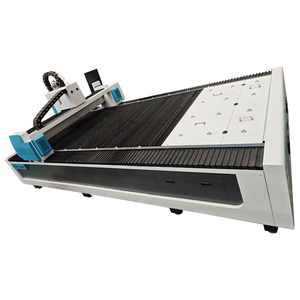
Manufacturer-direct automatic fiber laser cutter with cast iron gantry bed and auto-focus autofocus optics for continuous shop-floor production.
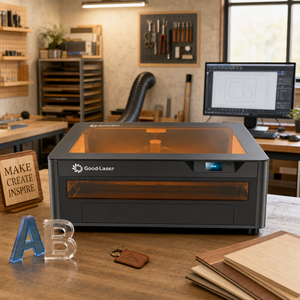
Fully enclosed compact desktop CO2 cutter offering 0.01mm positioning precision, integrated safety interlocks, and active cooling for R&D labs.
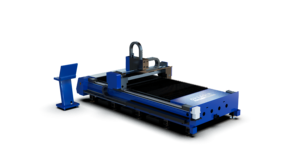
Compact open-table fiber laser blanking system optimized for fast stainless steel, galvanized sheet, and aluminum sheet metal fabrication shops.
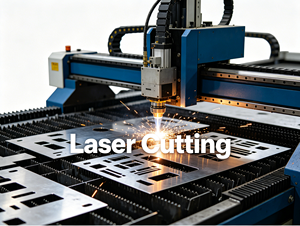
High-speed turnkey contract manufacturing services for aluminum, brass, copper, carbon steel, and stainless steel complex sheet fabrications.
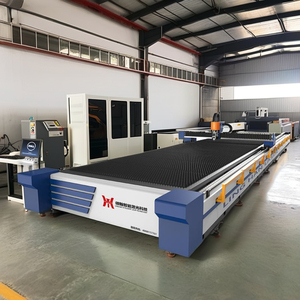
Ultra-high wattage fiber laser platform engineered for heavy plate processing, high-pressure nitrogen bright cutting, and 24/7 continuous operation.
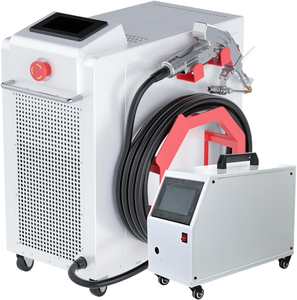
Ergonomic handheld wobble laser welding machine with integrated water chiller, auto wire feeder, and instant metal cutting / rust cleaning modes.
The global metal fabrication landscape has undergone a seismic technological shift over the past decade. China has transformed from a low-cost machine assembly hub into the world's primary epicenter for advanced laser optics, heavy-duty CNC gantry engineering, and intelligent manufacturing automation. Modern international industrial buyers searching for China Top Metal Machinery Manufacturers & Suppliers are no longer just seeking competitive initial purchase pricing; they are sourcing high-yield capital equipment capable of continuous 24/7 production with minimal downtime, extreme precision, and verifiable Total Cost of Ownership (TCO) advantages.
At the core of this industrial revolution is the rapid acceleration of fiber laser technology replacing traditional mechanical punches, CO2 laser cutters, and plasma cutting beds. Fiber laser systems operating at a wavelength of 1064 nm demonstrate photonic absorption efficiency up to five times greater than legacy 10.6 µm CO2 sources when cutting reflective and non-reflective industrial metals. Consequently, Chinese machinery OEMs have built integrated supply chains that seamlessly combine Tier-1 laser sources (such as IPG Photonics, Raycus, and Maxphotonics) with precision European CNC motion control components, heavy-section stress-relieved gantry beds, and automated material shuttle systems.
To assist procurement managers, plant directors, and OEM buyers in evaluating China's top metal machinery suppliers, this whitepaper provides an exhaustive technical benchmark covering power selection optics, assist gas thermodynamics, structural machine frame physics, and future-ready automation integration.
Selecting the correct laser wattage and auxiliary gas configuration is the single most critical decision in metal machinery procurement. Sizing a machine based purely on peak sheet thickness rather than continuous operational output often leads to suboptimal edge quality and inflated gas consumption.
Modern metal machinery manufacturers offer single-table and exchange-table fiber laser systems ranging from entry-level 1.5 kW units to industrial 30 kW+ ultra-high-power plate processors. The table below outlines real-world production velocity and quality thickness thresholds calculated by senior application engineers:
| Laser Source Power | Mild Steel (O₂ Cut) | Stainless Steel (N₂ Cut) | Aluminum (N₂ / Air) | Optimal Production Application |
|---|---|---|---|---|
| 1.5 kW - 2.0 kW | up to 12 mm | up to 6 mm | up to 4 mm | Precision sheet enclosures, HVAC ducting, electrical cabinets. |
| 3.0 kW - 4.0 kW | up to 20 mm | up to 10 mm | up to 8 mm | High-speed job shop fabrication, automotive chassis parts. |
| 6.0 kW - 8.0 kW | up to 25 mm | up to 16 mm | up to 14 mm | Mid-to-heavy machinery frames, structural gussets, agricultural equipment. |
| 12.0 kW - 15.0 kW | up to 40 mm | up to 25 mm | up to 20 mm | Thick plate blanking, ship building components, high-speed bright cutting. |
| 20.0 kW - 30.0 kW+ | up to 60 mm+ | up to 40 mm+ | up to 35 mm+ | Heavy civil engineering, pressure vessels, defense & aerospace structural parts. |
Operating expenditure (OPEX) in laser metal cutting is largely dominated by assist gas selection. Top Chinese machinery OEMs build intelligent dual-gas and high-pressure air manifolds into their CNC control systems to allow instant parameter switching:
Precision cutting parameters are useless if a laser cutter's frame distorts under acceleration forces. Leading metal machinery manufacturers in China utilize heavy-section steel plate welding combined with high-temperature annealing stress relief to guarantee long-term machine accuracy.
Frames undergo 600°C furnace thermal treatment to remove internal structural stress, preventing bed warping over a 10-year lifespan.
Extruded aerospace-grade aluminum gantries reduce dynamic payload mass, enabling fast 1.5G to 2.0G acceleration without corner overshooting.
EtherCAT digital servo drives coupled with precision helical gear racks deliver sub-millimeter positioning across high-speed cutting cycles.
As manufacturing plants globally face labor shortages and rising energy costs, the procurement criteria for metal processing machinery have shifted toward zero-touch automation and smart shop-floor integration. Top Chinese machinery exporters are pioneering three pivotal architectural trends for 2026 and beyond:
Single-table cutting machines are rapidly being replaced by dual-pallet automatic exchange tables (shuttle beds) linked to multi-tier raw material loading towers. These automated loading/unloading systems (FMS - Flexible Manufacturing Systems) allow automated sheet picking via vacuum suction arrays and parts sorting via robotic arms, enabling true "lights-out" overnight manufacturing shifts.
Compact 3-in-1 handheld fiber laser units combining welding, cutting, and rust-cleaning functions are replacing traditional TIG/MIG welders. Delivering up to 4 to 10 times higher welding speeds with negligible thermal distortion, these portable systems allow even novice operators to produce continuous, defect-free welds on stainless steel and aluminum enclosures.
Modern CNC laser systems feature built-in EtherCAT communication protocols and IoT cloud diagnostics. Plant managers can monitor real-time laser source health, optic temperature, gas pressure, and daily nesting sheet utilization directly through mobile interfaces or factory MES integration.
When sourcing industrial machinery from China, evaluating a vendor's quality assurance framework is critical. Premier machine suppliers implement rigorous international testing standards before any equipment leaves the factory floor:
Expert technical responses to common questions encountered by global buyers procuring metal processing machinery from China.
Always size laser power based on your regular production thickness rather than maximum single-pass capability. If 80% of your production consists of 3mm to 6mm carbon steel and stainless steel, a 3kW or 4kW fiber laser provides optimal energy efficiency and cut speed. If your regular production exceeds 12mm plate or requires high-speed nitrogen cutting, select a 6kW to 12kW system to ensure clean, dross-free edge quality.
A single-table laser cutter has one fixed cutting bed, meaning the machine remains idle while operators unload finished parts and load new sheet metal. An exchange-table (dual-pallet shuttle) machine features two beds that automatically swap within 15 to 20 seconds. While one sheet is being cut inside the enclosure, the operator safely unloads parts from the external bed, increasing daily production capacity by 30% to 50%.
Yes. Modern fiber laser sources operating at 1064 nm are absorbed effectively by reflective metals. However, it is essential to ensure your machine is equipped with an active optical back-reflection protection system (isolator). Leading Chinese suppliers incorporate back-reflection sensors into Raycus, IPG, and Max laser sources to automatically cut power if beam back-reflection is detected, safeguarding optics from damage.
Reputable Chinese suppliers supply full export support packages, including foundation civil drawings, utility power specifications, detailed English operation manuals, and pre-loaded nesting software parameter libraries (CypCut / HypCut). In addition, factories provide overseas engineer dispatch for commissioning and shop-floor training, supplemented by 24/7 remote video diagnostics and local spare parts warehousing in key buyer regions.
Fiber lasers have exceptionally low maintenance requirements compared to legacy CO2 lasers. The primary consumables are protective optics windows (replaced every 2-4 weeks depending on cleanliness), cutting head copper nozzles (replaced monthly), and ceramic ring holders. Linear guides and rack-and-pinion drives require automatic lubrication system checks monthly, while water chiller fluid should be replaced every 3 months.
Consult with our senior application engineers to receive custom machine recommendations, nesting time calculations, and detailed factory-direct pricing for your project.
Inquire Now