Factory-Direct Wholesale Supply | ISO 9001 & CE Certified | Export-Ready Engineering Solutions
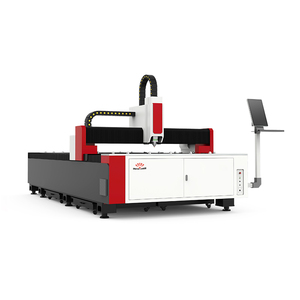
Heavy-duty 4000x1500mm bed capacity engineered for high-power thick plate sheet metal processing with automated shuttle tables.
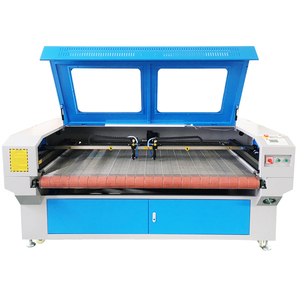
Precision multi-material cutting for MDF wood, acrylic, fabric, leather, and rubber with high-speed stepper system.
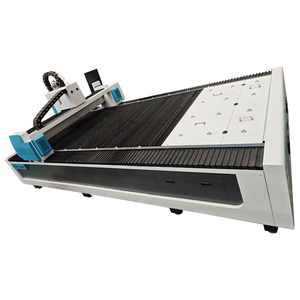
Industrial grade steel sheet laser cutter built with stress-relieved gantry frame and dynamic servo positioning.
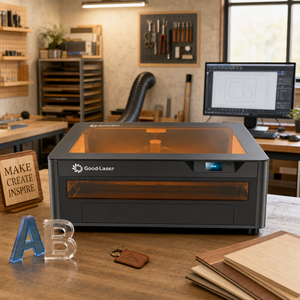
Compact safety-enclosed 520x315mm work surface featuring 20-40W cooling power for 10mm organic material cutting.
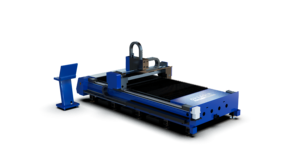
Cost-efficient single bed platform tailored for rapid carbon steel, stainless steel, and alloy sheet metal fabrication.
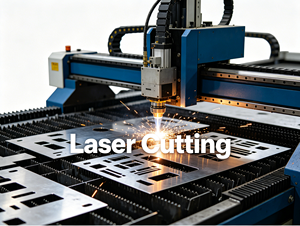
OEM contract manufacturing and precision sheet laser processing tailored to complex CAD geometries.
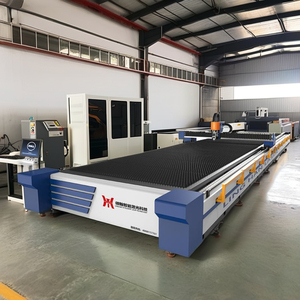
Ultra-high-power fiber generator combined with dual pallet exchange for continuous 24/7 industrial manufacturing.
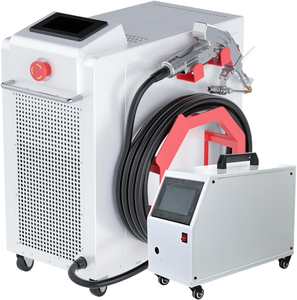
Portable 3-in-1 laser welder, cutter, and seam cleaner equipped with industrial water chiller and ergonomic wobble gun.
In modern industrial fabrication, procurement directors and operational managers are tasked with navigating complex decisions regarding capital equipment acquisitions. As global manufacturing demands higher precision, shorter lead times, and reduced total cost of ownership (TCO), metal laser cutting technology has evolved from a specialized tool into the primary engine of modern sheet metal and structural tube processing.
As a leading China Wholesale Metal Cutter Manufacturer & Exporter, our engineering division bridges the gap between raw laser power and real-world shop floor productivity. Building high-performance CNC fiber laser cutting systems requires an uncompromised commitment to structural mechanics, optoelectronic stability, advanced assist-gas dynamics, and intuitive CNC motion control integration.
Information Gain Insight: Selecting an industrial metal laser cutter involves analyzing the beam quality parameter product (BPP), machine bed vibration damping via thermal annealing, motion gantry acceleration (up to 1.5G–2.0G), and long-term optical cleanliness. Low-cost machinery often compromises on bed frame stress-relieving, leading to permanent optical axis misalignment within 12 to 18 months of intensive use.
The foundation of any high-precision metal cutter is its machine frame. Our factory utilizes high-tensile structural steel plates welded into a robust honeycomb framework. Each frame undergoes a double-stage thermal processing treatment: high-temperature annealing at 600°C in an electric furnace followed by controlled vibration stress relief (VSR). This ensures that residual internal stresses caused by welding are completely eliminated, preventing frame deformation over decades of heavy-duty operation.
Furthermore, our gantries are manufactured using aviation-grade cast aluminum alloys formed via high-pressure die casting. This delivers high rigidity while dramatically reducing moving mass. Lower kinetic inertia allows our dual-servo rack-and-pinion drive systems to achieve vector speeds of up to 120 m/min with micro-level acceleration dynamics, ensuring sharp corner fidelity and eliminate edge serrations during high-speed thin-sheet cutting.
Integrated with world-class laser sources (IPG, Raycus, Maxphotonics) offering electro-optical conversion efficiency exceeding 40% with zero optical mirror maintenance.
Equipped with capacitive sensors and auto-focusing optics (Raytools / Precitec) to dynamically compensate for thermal lensing and material surface warp in real time.
Powered by CypCut / FSCUT CNC architectures supporting fly-cutting, frog-leap positioning, automatic edge-seeking, and cloud-integrated nesting optimizations.
To assist international procurement teams in matching operational requirements with machine specifications, the engineering matrix below outlines processing thresholds, assist gas requirements, and achievable speed metrics across standard metal alloys.
| Laser Power Output | Carbon Steel (O₂ Assist) | Stainless Steel (N₂ Bright Cut) | Aluminum Alloy (N₂ Assist) | Max Cutting Speed (Thin Sheet) | Recommended Applications |
|---|---|---|---|---|---|
| 1,500W - 2,000W | 12 mm - 16 mm | 6 mm - 8 mm | 4 mm - 5 mm | 25 m/min | HVAC ducting, light electrical cabinets, metal furniture |
| 3,000W - 4,000W | 20 mm - 22 mm | 10 mm - 12 mm | 8 mm - 10 mm | 45 m/min | General job shop fabrication, automotive parts, machinery casing |
| 6,000W - 8,000W | 25 mm - 30 mm | 16 mm - 20 mm | 14 mm - 16 mm | 70 m/min | Agricultural equipment, elevators, thick plate structural components |
| 12,000W - 15,000W | 40 mm - 45 mm | 30 mm - 35 mm | 25 mm - 30 mm | 90 m/min | Shipbuilding, heavy structural steel, high-volume toll processing |
| 20,000W - 30,000W+ | 60 mm+ | 50 mm+ | 45 mm+ | 120 m/min | Aerospace, defense fabrication, extreme thick plate engineering |
As international buyers re-evaluate their supply chain vulnerability and search for high-value equipment manufacturers in China, several major procurement and technological shifts are transforming the metal cutting market:
Historically, oxygen-assisted cutting on lower power machines (2kW to 4kW) was standard for thick carbon steel. However, the rapidly declining cost-per-watt ratio of fiber laser sources has enabled nitrogen bright-cutting at 12kW and above. High-power nitrogen cutting eliminates oxide scale formation on steel edges, saving fabrication shops thousands of hours annually in secondary deburring and edge-grinding prior to painting or welding.
Labor shortages and rising wages across Western Europe, North America, and Southeast Asia have accelerated requests for automatic material handling systems. Modern B2B procurement requests frequently require single-table or exchange-table cutters to be paired with compact tower storage systems, vacuum suction sheet lifters, and robotic part-sorting units to allow 24/7 unassisted "lights-out" production.
Assist gas represents the largest recurring operational variable cost in laser metal cutting. Operational data indicates a growing shift toward high-pressure compressed air cutting (utilizing 16-30 bar oil-free compressors with specialized filtration). For thin to medium stainless steel and carbon steel parts, compressed air cutting offers up to 70% cost savings compared to liquid nitrogen cylinders, accelerating machine ROI payback periods to under 12 months.
Staying competitive in the metal cutter market requires continuous technological innovation. Key engineering advancements shaping the next generation of CNC metal cutters include:
Expert technical advice regarding procurement, logistics, installation, and operating costs.
A single-table laser cutter requires the machine to pause cutting while finished parts are unloaded and a new sheet is positioned. An exchange (dual pallet shuttle) table enables loading of the next raw sheet outside the safety enclosure while the laser cuts inside. If your shop processes over 4 hours of sheet metal daily, an exchange table typically improves total daily throughput by 30% to 40%, offsetting its higher initial purchase price within months.
Prioritize machines equipped with stress-relieved annealed frames, premium servo motors (Yaskawa/Panasonic), high-precision helical rack and pinions (YYC/Apex), and reputable laser sources (IPG, Raycus, Maxphotonics). Request laser interferometer calibration test certificates (e.g., Renishaw) measuring pitch and yaw alignment along the X/Y axes before machine dispatch.
Yes. Modern fiber laser sources operate at a wavelength of approximately 1.064 microns, which is absorbed far more efficiently by highly reflective metals than legacy CO2 laser wavelengths (10.6 microns). Additionally, our cutting heads feature optical back-reflection isolators and real-time power monitoring to protect the laser diodes from potential optical feedback damage during brass or copper processing.
The main consumable components consist of protective optical windows, copper nozzles (single vs. double layer), and ceramic isolation rings. Under standard operating conditions, protective lenses last 200–400 cutting hours, while nozzles last 100–200 hours depending on pierce spatter protection and assist gas purity.
All machines shipped internationally undergo anti-rust oil treatment, moisture-proof vacuum shrink-wrapping, and installation within heavy-duty steel-framed wooden crates. We provide detailed foundation planning drawings, comprehensive English operation manuals, step-by-step video commissioning tutorials, and 24/7 remote diagnostic support via remote desktop and video calls.
Our standard export contract includes a comprehensive 3-year warranty covering core components (laser source, CNC controller, servo drives, bed structure) and a 1-year warranty on optoelectronic wear parts. Replacement warranty parts are dispatched via express courier (DHL/FedEx) to minimize production downtime.
Contact our factory engineering team today to receive detailed technical datasheets, CAD nesting throughput analysis, or a competitive direct wholesale quotation tailored to your specific material thickness and production goals.
