High-precision fiber laser cutting systems, heavy-duty hydraulic press integrations, and automated metal fabrication cells manufactured to ISO 9001:2015 & CE standards.
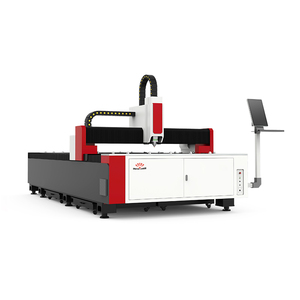
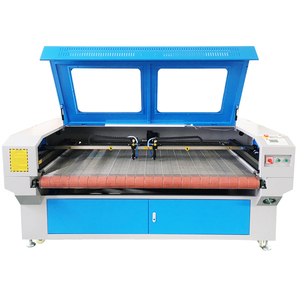
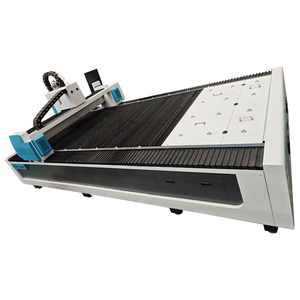
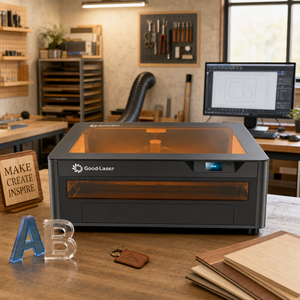
In modern industrial manufacturing—spanning automotive stamping, aerospace structural forming, deep drawing, and powder metallurgy—the procurement of high-tonnage hydraulic presses and integrated metalworking automation requires a rigorous technical evaluation. Moving beyond simple upfront capital expenditure (CAPEX), senior procurement officers, plant directors, and manufacturing engineers must audit structural frame stiffness, hydraulic circuit efficiency, servo-hybrid drive dynamics, and long-term total cost of ownership (TCO).
This industry benchmark report examines the Top 10 Hydraulic Press Factories and Suppliers globally, providing procurement decision-makers with verifiable technical metrics, factory auditing criteria, and future technology trajectories. By evaluating frame stress-relief protocols, valve block response times, and automated press transfer integration, this guide delivers actionable information gain to eliminate procurement risks and secure high-efficiency production lines.
Key technological transformations driving hydraulic press design, energy efficiency, and smart factory integration over the next decade.
Traditional continuous-rpm induction motor drives are rapidly being replaced by closed-loop AC servo-motor driven internal gear pumps. Dynamic speed variation reduces electrical consumption by up to 40-60% during dwell periods, dramatically reduces hydraulic oil thermal degradation, and lowers noise levels below 68 dBA.
Energy Efficiency OPEX ReductionIndustry 4.0 connectivity requires hydraulic presses to feature embedded strain gauges, linear optical encoders, and thermal transducers. Real-time Statistical Process Control (SPC) records pressure-vs-distance curves for every stroke, enabling automated part rejection, predictive valve maintenance, and remote factory telemetry.
Industry 4.0 Smart AnalyticsGlobal manufacturers no longer purchase standalone presses. Tier-1 automotive and appliance suppliers demand fully automated cells combining coil de-coilers, CNC fiber laser blanking lines, high-speed press transfer robots, and laser-guided marking stations to achieve lights-out manufacturing capability.
Robotics Turnkey IntegrationTechnical comparison of primary press structural designs to match specific metal forming, blanking, and compaction workflows.
| Press Configuration | Tonnage Range | Repeatability | Structural Rigidity | Primary Industrial Applications |
|---|---|---|---|---|
| H-Frame / Tie-Rod Column | 500T - 10,000T | ±0.01 mm | Ultra-High (Pre-stressed) | Automotive body panels, heavy sheet metal stamping, deep drawing |
| C-Frame / Open Back | 25T - 250T | ±0.03 mm | Medium (Deflection dynamic) | Small part punching, progressive die blanking, light assembly |
| Four-Column Guided | 100T - 3,000T | ±0.02 mm | High Alignment Precision | Composite molding (SMC/GMT), rubber vulcanization, powder metallurgy |
| Servo-Electric Screw Press | 50T - 800T | ±0.005 mm | Extreme Precision | Precision cold forging, electronic connector coining, medical implant forming |
| Hydraulic Blanking & Laser Line | 300T - 2,000T | ±0.02 mm | High Dynamic Loading | Coil-fed blanking, high-speed perimeter trimming, automotive structural blanks |
An authoritative analysis of leading global manufacturers evaluated by OEM engineering capability, factory quality controls, and service network strength.
Overview: As an undisputed global market leader in metal forming technology, Schuler provides high-tonnage hydraulic presses, servo presses, and automated stamping lines to top-tier automotive OEMs worldwide. Their systems represent the peak of European precision engineering.
Core Capabilities: Minting presses, 30,000-ton hydraulic forging presses, ServoTech drive integration, complete body-in-white stamping automation lines.
Procurement Focus: High capital investment suited for multi-national automotive OEMs requiring maximum output and zero-defect quality controls.
Overview: A premier machine builder and turnkey system integrator based in Gujarat, India. Marvel Industrial Solution combines heavy-duty stress-relieved press frame manufacturing with cutting-edge laser cutting, robotic transfer, and automated metal polishing technology.
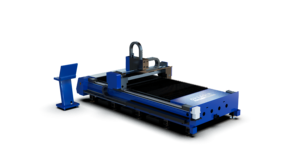
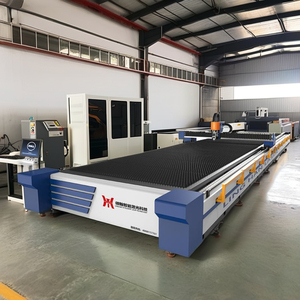
Core Capabilities: Custom hydraulic presses (50T to 3,000T), single-table and exchange-table CNC fiber laser cutters (1.5kW to 30kW), press transfer robots, and integrated marking/traceability cells.
Procurement Focus: Excellent cost-to-performance ratio for international job shops, automotive tier suppliers, and heavy fabricators seeking custom engineering with direct manufacturer support and short delivery lead times.
Overview: A massive industrial cooperative specializing in the design and manufacture of tailor-made hydraulic press systems, stamping lines, and sheet metal coil processing machinery.
Core Capabilities: Hydroforming presses, composite material forming cells, high-speed blanking lines, and transfer presses for aluminum and steel alloys.
Procurement Focus: Custom-engineered structural forming solutions with exceptional energy-management software for European and American markets.
Overview: Renowned for Japanese manufacturing precision, Komatsu brings decades of heavy machinery expertise into hydraulic, servo, and mechanical press building.
Core Capabilities: AC Servo presses, high-rigidity straight-side hydraulic presses, precision electronics stamping machinery.
Procurement Focus: Unmatched reliability, structural endurance, and micro-precision ram positioning for electronic and fine-blanking applications.
Overview: A cornerstone of American industrial press manufacturing, offering heavy-duty hydraulic press remanufacturing, custom press design, and large bed forging equipment.
Core Capabilities: Heavy plate forming, deep draw hydraulic presses, military and defense component forging, press modernization.
Procurement Focus: Heavy industrial press systems built to rigorous North American safety standards (ANSI B11.2, OSHA compliance).
Overview: South Korea's leading press manufacturer, supplying domestic giants like Hyundai and Kia as well as expanding heavily into global metal stamping plants.
Core Capabilities: Large frame hydraulic presses, tandem stamping lines, servo-driven mechanical presses, automated material handling.
Procurement Focus: High-speed automated press cells engineered for rapid die-changeover and high volume automotive component production.
Overview: Specialists in ultra-heavy hydraulic presses, Siempelkamp builds some of the largest metal forming and plate bending presses in the world.
Core Capabilities: Nuclear reactor vessel forming presses, heat exchanger plate presses, aerospace titanium forging presses up to 50,000 tons.
Procurement Focus: Specialized heavy-engineering projects requiring custom civil foundation planning and massive structural forging forces.
Overview: A leader in precision powder metallurgy, cold coining, and custom hydraulic presses designed for specialized material compaction.
Core Capabilities: Multi-action powder compaction hydraulic presses, lab presses, high-accuracy electric coining systems.
Procurement Focus: High-precision compaction solutions for technical ceramics, powder metal automotive gears, and medical components.
Overview: North America's fastest-growing manufacturer of heavy-duty hydraulic presses, customized automation lines, and die handling equipment.
Core Capabilities: Hot stamping (press hardening) lines, pulp and paper compaction presses, elastomer molding presses, coining lines.
Procurement Focus: Versatile custom hydraulic press design backed by comprehensive North American field service and remote telemetry.
Overview: Taiwan's largest press manufacturer, export-oriented with a global reputation for producing reliable, mid-to-high tonnage hydraulic and mechanical presses.
Core Capabilities: Straight-side hydraulic presses, transfer stamping systems, progressive die presses, forge shop machinery.
Procurement Focus: Cost-effective, high-uptime press machinery designed for appliance, hardware, and automotive tier-2 component fabricators.
Key technical quality assurance checks required when evaluating hydraulic press and metalworking machine factories.
A high-quality hydraulic press frame must undergo full thermal stress-relief annealing in a controlled furnace after heavy welding. Without this process, internal residual stresses cause frame warping over time, leading to slide misalignment and destroyed tooling. Leading factories utilize large floor-type CNC Gantry Boring and Milling machines to machine press beds and slides in a single setup for absolute perpendicularity.
Reliability hinges on component selection. Reputable OEMs integrate hydraulic manifolds equipped with Rexroth or Parker proportional valves, dual-safety monitoring valves, and Siemens S7-1500 PLC safety controls. This ensures rapid pressure build-up times (<100ms), smooth decompression cycles to prevent hydraulic shock, and compliance with CE/OSHA safety standards.
Expert answers to common engineering, sizing, and international procurement queries.
Deep drawing tonnage is calculated using the material tensile strength, blank perimeter, sheet metal thickness, and drawing ratio multiplier. The standard formula is: Tonnage (tons) = [Perimeter (mm) × Thickness (mm) × Tensile Strength (N/mm²)] / 9810 × Blank Holder Factor. Always add a 20-25% safety cushion to prevent operating the hydraulic system at peak relief valve pressure continuously.
While a servo-hybrid press carries a 15-25% higher upfront CAPEX, it slashes power consumption by 40-60% and reduces hydraulic oil cooling requirements. For plants operating two or three shifts daily, electrical energy savings alone typically recoup the price premium within 14 to 18 months, while extending oil life by over 200%.
Pre-stressed tie-rod H-frame press structures offer maximum resistance to off-center loading. They feature long 8-point synthetic or bronze slide guides with adjustable clearance. For multi-stage progressive tooling where off-center forces are severe, auxiliary hydraulic leveling cylinders (electronic anti-skew systems) are recommended to maintain slide parallelism.
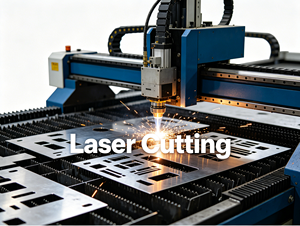
It depends on volume and part flexibility. High-power CNC fiber laser cutters (12kW to 30kW) eliminate expensive stamping dies, allow instant design modifications via CAD/CAM software, and excel in low-to-medium batch sizes. However, for ultra-high-volume identical blanks (e.g., >100,000 parts/month), high-speed mechanical or hydraulic blanking lines remain faster per stroke. Modern automated factories increasingly deploy hybrid cells combining both technologies.
Insist on a documented Factory Acceptance Test (FAT) that includes: full tonnage hold pressure test (24-hour hold), laser interferometer slide parallelism check, thermal imaging of hydraulic manifolds, sample part dimensional verification, complete electrical schematics, CE/UL safety declaration, and sea-worthy vacuum-sealed packaging with anti-corrosion VCI wrapping.
Need assistance selecting the right press tonnage, frame style, or automated laser metalworking cell? Contact our senior application engineers for a complete process calculation and factory quotation.
Send an Inquiry