Explore top-tier CNC tube cutters, exchange table sheet lasers, high-power fabrication systems, and precision marking units direct from lead OEM lines.
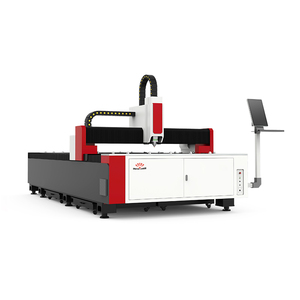
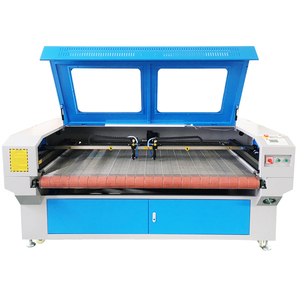
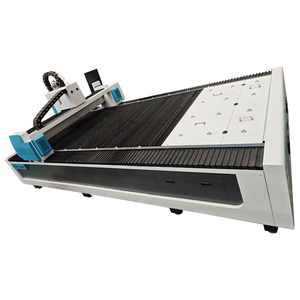
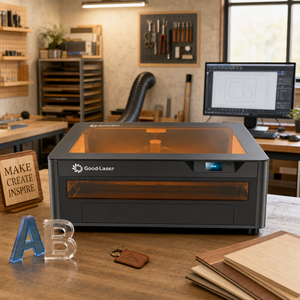
The global metal fabrication landscape has undergone a seismic shift toward automated, high-precision laser tube processing. As international buyers, EPC contractors, and Tier-1 automotive component manufacturers seek reliable equipment OEM partners, navigating China’s extensive industrial manufacturing ecosystem requires a rigorous technical evaluation framework. China has evolved from producing entry-level sheet cutting tools to manufacturing world-class 5-axis 3D laser tube cutters, heavy-duty structural profile processors, and fully integrated robotic fabrication cells.
Selecting the optimal China tube cutter supplier demands scrutiny far beyond initial machine quotations. Procurement heads must evaluate dynamic structural stability, CNC bus-control architecture, chuck pneumatic clamping dynamics, laser source electro-optical efficiency, and comprehensive post-sale support networks. This white paper serves as an authoritative buyer's manual, establishing benchmarks for evaluating engineering capabilities, verified manufacturing standards, and total cost of ownership (TCO).
Top-tier factories utilize heavy-duty mortise-and-tenon welded steel beds subjected to high-temperature thermal annealing (stress relief at 600°C) to eliminate structural tension prior to five-axis gantry milling.
Integration of premium fiber laser sources (Raycus, MAX, IPG) combined with intelligent auto-focus cutting heads (Precitec, Raytools) featuring back-reflection isolation for copper and brass cutting.
Leading OEM partners guarantee full optical alignment verification, laser interferometer accuracy mapping, dynamic dynamic balance testing of pneumatic chucks, and pre-shipment customer sample validation.
As a specialized manufacturer of CNC fiber laser cutting machines, laser tube cutters, handheld welding setups, and industrial automation solutions, Marvel Industrial Solution addresses complex production bottlenecks for global buyers. Unlike trading firms or unverified assemblers, our engineering methodology focuses on turnkey system stability, material-saving kinematics, and total lifecycle accountability.
Our tube cutter series features self-centering dual or multi-chuck configurations (including 3-chuck and 4-chuck zero-tailing systems). These systems dynamic-balance high-speed rotations up to 120 RPM while maintaining sub-millimeter concentricity on thin-wall tubes and heavy structural H-beams alike.
Every machine comes pre-loaded with an extensively tested cutting library covering stainless steel, carbon steel, aluminium, brass, copper, and galvanised tubing. Integrated tube CAM software optimizes 3D nesting, beveling pathing, coping cutouts, and hole piercing to maximize material yield.
Before any equipment leaves our production floor, overseas clients receive detailed cut-edge roughness metrics, dimensional tolerance reports (±0.03mm verified via CMM/interferometer), and high-resolution video documentation cutting customer-specified metal samples.
The tube processing sector is transitioning from traditional mechanical sawing, drilling, and manual deburring to all-in-one fiber laser machining. Sourcing managers must understand these fundamental technological shifts to ensure purchased machinery remains competitive over a 10-year operational horizon.
Modern tube fabrication increasingly demands pre-weld beveling (K, V, Y, and X joints) on structural pipes and heavy-walled tubing. Five-axis laser cutting heads featuring ±45° tilt capability allow fabricators to perform contour cutting and precision beveling in a single pass. This eliminates secondary machining processes, reducing labor costs by up to 60% in structural steel and yellow-goods manufacturing.
Material utilization directly impacts bottom-line profit margins. Traditional 2-chuck laser tube cutters leave raw material "tailings" between 150mm and 300mm per tube length. Next-generation 3-chuck and 4-chuck synchronised systems allow the laser head to cut between movable chucks, achieving true zero-tailing scrap loss. For high-value materials like titanium, copper, or heavy stainless tubing, this capability yields a complete ROI within months.
While 3kW to 6kW fiber lasers remain the workhorses for standard tube diameters (20mm–230mm), high-power sources ranging from 12kW to 30kW are redefining thick-walled pipe cutting. Ultra-high power enables compressed-air bright cutting on stainless steel and high-speed oxygen piercing on thick carbon steel up to 40mm thickness, dramatically driving down assist gas operational expenditure.
Lights-out manufacturing relies on robotic loading and unloading modules. Automated raw material bundle feeders measure tube length, detect profile shapes via optical sensors, automatically orient non-symmetric profiles (oval, D-tube, angle bar, channel steel), and transport processed parts to sorting conveyors without manual operator intervention.
Use this technical capability guideline compiled by our application engineers to match your production spectrum with the appropriate laser power class.
| Laser Source Power | Mild Steel (O₂ Cut) | Stainless Steel (N₂ Bright) | Aluminium Alloy (N₂) | Brass & Copper | Optimal Production Use Case |
|---|---|---|---|---|---|
| 1.5 kW - 2.0 kW | up to 12 mm | up to 5 mm | up to 4 mm | up to 3 mm | Light metal furniture, display racks, fitness equipment |
| 3.0 kW - 4.0 kW | up to 20 mm | up to 10 mm | up to 8 mm | up to 6 mm | Automotive exhaust, agricultural machinery, job-shop cutting |
| 6.0 kW - 8.0 kW | up to 25 mm | up to 16 mm | up to 14 mm | up to 10 mm | Heavy machinery chassis, HVAC ducting, structural tubing |
| 12.0 kW - 15.0 kW | up to 35 mm | up to 25 mm | up to 20 mm | up to 14 mm | High-speed sheet/pipe processing, yellow goods, oil pipelines |
| 20.0 kW - 30.0 kW | up to 45 mm | up to 40 mm | up to 30 mm | up to 20 mm | Shipbuilding structural steel, defense, heavy mining pipes |
Strategic purchasing managers looking at China’s laser machine factory landscape must align their procurement criteria with changing global market conditions. Key procurement trends shaping the industry include:
Detailed technical answers addressing core procurement, operational, and technical questions regarding China tube cutter factories.
