Explore our highly rated, industrial-grade sheet metal processing machinery, stamping press transfer solutions, and high-power fiber laser systems engineered for heavy manufacturing environments.
In high-rate automotive body-in-white (BIW), appliance manufacturing, and structural metal stamping operations, selecting the right stamping robot manufacturer is a pivotal strategic capital expenditure. Press automation lines operate under extreme mechanical stress, relentless stroke dynamics, and demanding cycle time targets. Modern metal stamping facilities are rapidly migrating away from manual labor and fixed linear mechanical feeds, adopting multi-axis servo transfer robots and linear gantry automation systems to optimize Strokes Per Minute (SPM), eliminate scrap rates, and protect expensive stamping dies.
A top-tier stamping press transfer robot manufacturer must deliver seamless structural integration between the press bed, vacuum/magnetic tooling end-effectors, optical sheet double-blank detectors, and programmable logic controllers (PLCs). Engineering teams evaluating suppliers must move beyond static price comparisons to analyze structural frame annealing, harmonic drive endurance, thermal drift compensation, and dynamic inertia matching.
"Automating a stamping press tandem line using high-speed transfer robots increases usable OEE by up to 38% while eliminating operator hand-in-die safety hazards. Key engineering priorities include low-mass carbon fiber arms, absolute encoder feedback, and dynamic vibration damping."
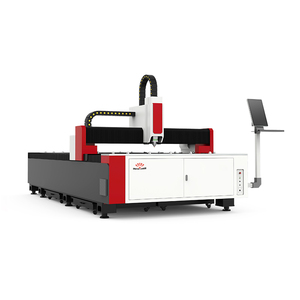
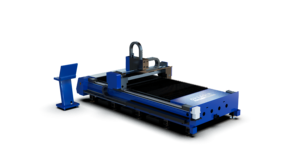
The press working and metal forming industry is undergoing a digital and mechanical transformation. Leading machine builders are combining high-power fiber laser blanking with robotic press feeding to streamline production workflows.
Modern transfer robots utilize direct-drive AC servo motors with carbon fiber arm extensions. This setup yields accelerations up to 2.5G while dampening tip oscillation, permitting seamless part transfers between multi-station progressive and tandem dies.
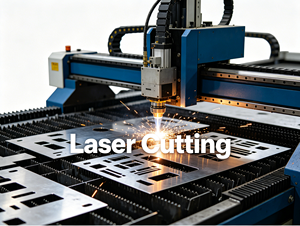
By replacing expensive rigid blanking dies with continuous coil-fed fiber laser cutting systems, stamping plants eliminate die modification costs for engineering changes and achieve near-zero setup times across varied part geometry nests.
Integrated vision marking and non-contact sheet thickness sensors prevent double-blank feeder jams, protecting press tooling from disastrous multi-sheet impacts and verifying part orientation on-the-fly.
Compare key operational parameters between traditional mechanical feeders, 6-axis articulated robots, and dedicated multi-station press transfer automation systems engineered by OEM leaders.
| Performance Criteria | Conventional Mechanical Feeder | 6-Axis Articulated Robot | High-Speed Press Transfer Robot |
|---|---|---|---|
| Strokes Per Minute (SPM) | 10 - 18 SPM | 8 - 14 SPM | 20 - 35+ SPM |
| Die Clearance Requirement | High / Rigid Geometry | Medium / High Stroke | Low Profile / Compact Vector |
| Changeover Time (EOAT) | 45 - 90 Minutes | 15 - 30 Minutes | < 5 Minutes (Quick Auto-Coupler) |
| Vibration & Settling Time | Moderate Harmonic Shock | High Joint Flexibility Flex | Ultra-Low (Carbon-Fiber Damped) |
| Integration Complexity | Hardwired Cam Linkage | Standard Fieldbus | Real-Time Motion Bus (EtherCAT/PROFINET) |
Global manufacturing procurement directors are shifting from isolated equipment purchases toward fully integrated, turn-key automated metal forming cells. As supply chains demand agile short-run flexibility alongside mass-production cost structures, procurement strategies over the next decade will focus on three core pillars:
Surging electricity tariffs and industrial carbon-neutrality mandates mean purchasing managers prioritize press transfer systems with regenerative kinetic braking. Modern servo-driven press transfer robots feed excess decelerative energy back into the plant power grid, reducing net electrical power draw by 22% to 30%.
Procurement teams are actively avoiding split-vendor liabilities where press suppliers, robot integrators, and laser cutting OEMs dispute performance bottlenecks. The market favors end-to-end original machine builders—like Marvel Industrial Solution—capable of engineering the laser blanker, press transfer robot, and downstream vision-marking system in unified control environment.
Additionally, the integration of ultra-high power fiber lasers (12kW to 30kW) directly upstream of stamping lines is replacing multi-million dollar blanking dies for structural components. Buyers are reducing time-to-market for new automotive components from 24 weeks down to days by eliminating physical die design cycles for complex perimeter shapes.
At Marvel Industrial Solution, we engineer, machine, wire, and commission high-performance metal processing machinery and custom Special Purpose Machines (SPM) directly from our specialized industrial facility in Ahmedabad, Gujarat, India. Unlike trading brokers or simple assemblers, our engineering team manages complete structural, electrical, and kinematic lifecycles in-house.
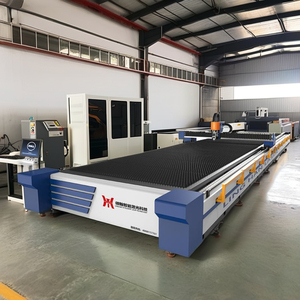
Every laser cutting bed and robotic gantry column undergoes thermal annealing and vibration stress relief to eliminate internal weld stresses, guaranteeing structural rigidity and sub-micron positioning integrity for years of continuous multi-shift production.
We standardize on globally available, industry-proven components including high-stability fiber laser sources, imported cutting heads, Yaskawa/Schneider servo drives, and industrial pneumatic systems—ensuring easy worldwide spare parts sourcing.
Our engineering multidiscipline covers automated metal polishing machines, press transfer arms, gantry loaders, and continuous vision-guided marking systems—delivering fully synchronized automated cells configured to your exact part drawings.
Dedicated stamping robot manufacturers focus specifically on press synchronization, low-profile clearance vectors, high dynamic acceleration, and vibration damping. Standard 6-axis articulated robots often suffer from joint flexing at high SPM rates and require larger die openings. Specialized press transfer robots utilize rigid linear guide channels, carbon fiber extension booms, and direct PLC press interface protocols (like PROFINET IRT) to maximize strokes per minute safely.
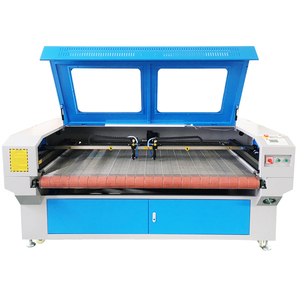
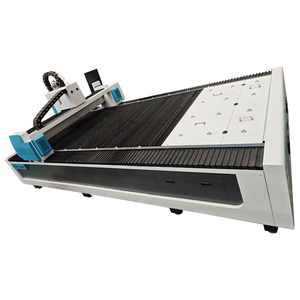
A single-table machine utilizes one fixed cutting bed where material loading and unloading occur while the laser source is paused. An exchange-table (dual pallet shuttle) machine swaps loaded and finished sheets in under 15 seconds while the beam continues cutting. If your daily production exceeds 6 hours or involves high-mix nested sheet work, an exchange table recovers 20% to 35% more beam-on time per shift, yielding significantly faster ROI.
Yes. Advanced 1064 nm fiber laser sources are equipped with multi-stage back-reflection isolators and specialized cutting head optics. Unlike legacy CO2 laser beams that suffer destructive back-reflections from yellow metals, modern fiber lasers cleanly cut aluminium, brass, copper, galvanized steel, and titanium with high edge quality and complete optic safety.
As a general OEM sizing benchmark: 1.5kW to 2kW efficiently cuts up to 6mm mild steel and 3mm stainless steel; 3kW to 4kW handles up to 16mm mild steel and 8mm stainless steel; 6kW to 8kW is ideal for high-speed production on 20mm mild steel; while 12kW to 30kW platforms are engineered for heavy plate up to 40mm and ultra-fast nitrogen bright-cutting on medium gauge plates.
The three primary operational expenditures are electrical power, assist gas (Oxygen for thick mild steel carbon steel, Nitrogen or Compressed Air for clean stainless/aluminium edges), and minor consumables (nozzles, protective ceramic rings, and protective cover sliders). Fiber laser units convert wall-plug power at over 40% efficiency and eliminate expensive CO2 laser gas mixtures, turbo pumps, and internal beam delivery mirrors.
Yes. Every export machine order includes comprehensive foundation engineering plans, seaworthy vacuum export packaging, full factory acceptance testing (FAT) videos, overseas commissioning support, operator CAM nesting software training, and emergency remote diagnostic support. We routinely engineer custom Special Purpose Machines (SPMs) tailored specifically to customer part drawings.
Send us your part drawings, material specifications, and cycle time targets. Our senior automation engineers will evaluate your application and provide a comprehensive proposal with line layouts, cycle simulations, and transparent ROI estimates.
