Direct Factory Export Models Sized and Certified for Heavy Fabrication, Structural Steel, and Sheet Metal Processing
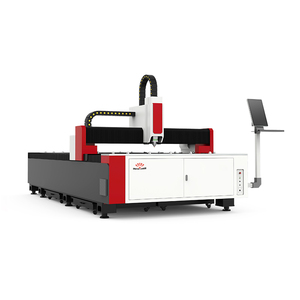
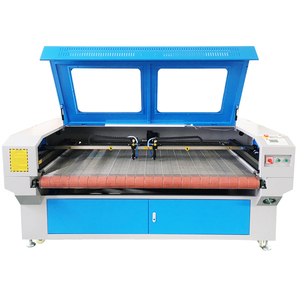
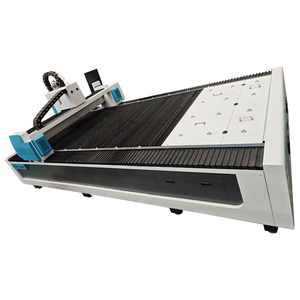
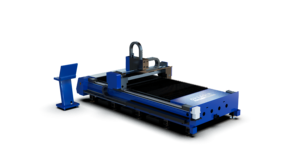
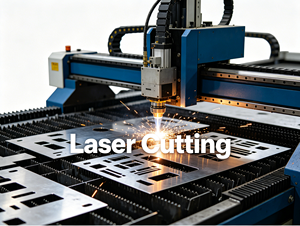
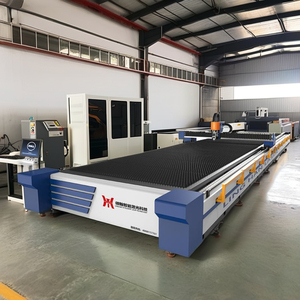
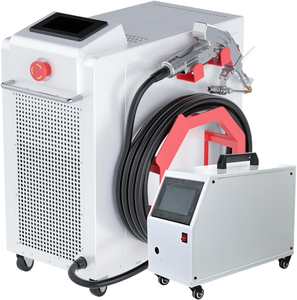
Bangladesh’s industrial sector is currently undergoing a structural transformation driven by landmark infrastructure investments, modern ship recycling initiatives under the Hong Kong International Convention (HKC), expanding Pre-Engineered Building (PEB) manufacturing, and deep-sea port development. As the national economy transitions from light garment manufacturing to capital-intensive heavy engineering, the demand for precision, high-capacity metal plate processing machinery has escalated exponentially.
Historically, heavy industrial fabricators in key industrial hubs such as Chattogram (Chittagong), Gazipur, Narayanganj, Bhaluka, and Mirsarai relied on legacy oxy-fuel flame cutting and low-definition plasma cutters. While functional for rough structural work, these older thermal processes suffer from severe limitations: broad Heat-Affected Zones (HAZ), significant plate distortion, excessive material wastage due to wide kerf widths, and labor-intensive manual edge grinding prior to welding. For modern infrastructure projects requiring strict compliance with European (EN 1090) and American (AWS D1.1) structural steel standards, traditional methods represent a primary operational bottleneck.
Information Gain Insight: Modern high-power fiber laser cutting machines (12kW to 30kW) eliminate secondary edge grinding, reduce power consumption per cut meter by up to 65% compared to multi-head plasma, and allow direct weld-prep beveling on heavy carbon steel plates up to 40mm thick in a single automated CNC pass.
As a premier OEM manufacturer and direct factory exporter certified under European Conformity (CE) and ISO 9001:2015 quality standards, our organization provides specialized engineering solutions tailored specifically to the climate, power grid parameters, and procurement practices of Bangladesh’s industrial sector. By integrating solid-state fiber laser sources with stress-relieved annealed machine frames and advanced CNC nesting algorithms, our machines enable local manufacturers to achieve international structural fabrication benchmarks while maximizing operational throughput.
Cutting heavy carbon steel plate (ranging from 12mm to 50mm) places exceptional dynamic loads on a machine frame. When a heavy-duty CNC gantry accelerations reach 1.2G to 2.0G while steering a high-power laser optics head, structural flexure or thermal expansion will immediately translate into cut edge striations, taper angles, and dimensional inaccuracies.
Our heavy plate fiber laser cutting machines utilize a proprietary plate-welded structure that undergoes a strict high-temperature annealing process at 600°C for 24 hours in a computer-controlled furnace. This process completely relieves internal mechanical stresses induced during welding, guaranteeing that the bed frame remains dimensionally stable for over 15 years of continuous multi-shift operation.
Mortise-and-tenon structural welding with full thermal annealing prevents structural twist during high-tonnage sheet loading.
Pneumatic zone-controlled exhaust damper system draws cutting fumes directly beneath the active cutting head zone.
Heavy hydraulic or chain-driven dual exchange tables swap full 4000x2000mm or 6000x2500mm plate beds in under 35 seconds.
Cutting heavy structural plates requires specialized optical beam shaping. Our high-power cutting heads feature automated dynamic zoom optics that automatically modify the focal spot size and Rayleigh length according to plate thickness. For thin stainless steel, a small concentrated beam spot maximizes cutting speed; for 25mm carbon steel, an expanded beam diameter widens the kerf channel, allowing liquid slag to be efficiently ejected by low-pressure Oxygen (O2) or high-pressure Nitrogen (N2) assist gases.
| Thermal Cutting Technology | Max Quality Cut (Carbon Steel) | Edge Heat-Affected Zone (HAZ) | Positional Accuracy | Energy Efficiency per Cut Meter |
|---|---|---|---|---|
| Marvel High-Power Fiber Laser (20kW) | 45 mm - 50 mm | < 0.15 mm (Minimal) | ±0.03 mm | Ultra-High (85-90% Wall-Plug) |
| High-Definition Plasma Cutting | 32 mm - 40 mm | 1.2 mm - 2.5 mm | ±0.50 mm | Moderate (High power draw) |
| Oxy-Fuel Flame Cutting | 100+ mm (Rough) | 3.0 mm - 5.5 mm (Severe) | ±1.50 mm | Low (High gas consumption) |
The operational conditions and material specifications for heavy plate cutting vary significantly depending on the target manufacturing region within Bangladesh. Our machine configurations are customized to address these specific regional industry demands:
Reclaiming heavy ship steel plate requires rapid profiling and beveling. High-power fiber lasers handle variable grade high-tensile marine carbon steel with zero edge carbonization, permitting immediate class-approved structural welding.
Pre-Engineered Building fabricators demand rapid hole punching, gusset plate cutting, and thick beam flange profiling. Automated CNC laser nesting cuts material waste by 14% on complex structural node connections.
High-pressure boiler shells, storage tanks, and transformer casings require high-precision perimeter beveling (V, X, Y prep). CNC 3D beveling laser heads cut complex chamfers directly from 3D CAD step files.
As Bangladesh moves toward formal graduation from Least Developed Country (LDC) status, industrial manufacturers face evolving domestic and export market expectations. Three macro-trends are driving the adoption of CE certified high-power fiber laser cutters:
Industrial power tariffs (BERC rates) in Bangladesh have emphasized energy efficiency on factory floors. Fiber laser systems convert electrical power to laser light at over 40% efficiency, compared to less than 10% for legacy CO2 lasers and high-current plasma units. Furthermore, laser cutting eliminates chemical pickling and harsh mechanical grinding, aligning factories with LEED-certified green building standards established by major international buying houses.
With mega-industrial parks such as Bangabandhu Sheikh Mujib Shilpa Nagar (BSMSN) in Mirsarai expanding rapidly, tenant enterprises in steel fabrication, heavy machinery assembly, and automotive manufacturing require capital equipment certified to international CE standards. Equipment operating within these economic zones must possess verified electromagnetic compatibility (EMC) and electrical safety interlocks to pass compliance audits by international joint-venture partners.
Factory environments in Bangladesh encounter distinct environmental challenges: high ambient humidity (up to 95% during monsoon periods), ambient temperatures exceeding 42°C in summer, and localized grid voltage instability. Marvel’s export-spec heavy plate cutting machines integrate dual-circuit industrial water chillers with internal anti-condensation cabinet air conditioners, isolated ground filtering, and wide-tolerance servo drive power supplies to ensure 24/7 continuous duty cycle performance without thermal shutdown.
Marvel Industrial Solution brings decades of specialized OEM machine tool engineering experience, direct factory manufacturing transparency, and complete technical support to buyers across South Asia.
Complies with EU Machinery Directive 2006/42/EC, Low Voltage Directive 2014/35/EU, and ISO 9001 quality management standards.
Equipped with world-leading fiber laser sources (Raycus / MAX / IPG), Japanese Yaskawa/Fuji servo drives, and French Schneider electrics.
Full support including civil foundation drawings, power requirement analysis, sea-worthy vacuum packaging, and engineer dispatch.
Includes complete operator training, automated nesting software licenses (CypCut / HypCut), and fast spare parts delivery.
Technical and commercial answers curated for procurement managers, factory directors, and engineering leads in Bangladesh:
