1. Executive Summary: The Evolution of Industrial Laser Procurement in Canada
The Canadian manufacturing sector—encompassing Ontario’s automotive corridor, Quebec’s aerospace hub, Alberta’s energy and heavy machinery enterprises, and British Columbia’s custom woodworking and architectural fabrication markets—is undergoing a rapid technological transformation. Driven by tight labor markets, rising energy costs, and stringent international quality standards, Canadian fabricators are aggressively transitioning from traditional mechanical tooling, plasma cutters, and legacy CO2 systems to high-efficiency CNC Fiber and precision CO2 laser engravers.
Historically, North American buyers faced a dual dilemma: purchase domestically branded laser machinery at exorbitant markups or navigate overseas sourcing with operational risk. Today, top-tier Chinese laser OEMs (Original Equipment Manufacturers) have fundamentally reshaped this dynamic. By coupling world-class optical components (Raycus, Maxphotonics, IPG laser sources; Precitec, WSX cutting heads) with heavy-duty annealed machine beds and European CNC control systems (such as Bochu FSCUT), Chinese manufacturers deliver industrial performance at a Total Cost of Ownership (TCO) that is 40% to 60% lower than traditional Western brands.
Key Insight for Canadian Procurement Officers: Sourcing direct from China’s leading laser manufacturers is no longer merely a cost-saving tactic—it is a core strategic lever to boost capital efficiency, accelerate ROI, and access customized machine automation tailored specifically to Canadian CSA/UL electrical standards and cold-climate operating environments.
2. Technical Deep-Dive: Physics of Laser Wavelengths & Processing Capabilities
Selecting the correct laser machine requires an engineering-level understanding of photon absorption mechanics across different material substrates. Laser engravers and cutters manufactured in China primarily utilize three distinct optical spectrums:
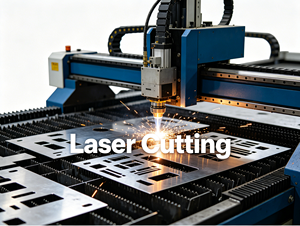
Fiber Laser Systems (1064 nm Wavelength): Transmitted via flexible optical fiber cables, 1064nm light is absorbed exceptionally well by conductive metals, including highly reflective alloys such as aluminium, brass, and copper. Fiber lasers offer wall-plug efficiency of 35-40%, zero internal optical alignment requirements, and operational lifespans exceeding 100,000 working hours. They dominate metal engraving, sheet metal blanking, and high-speed industrial marking.
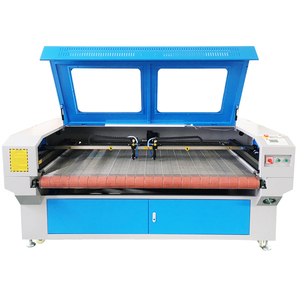
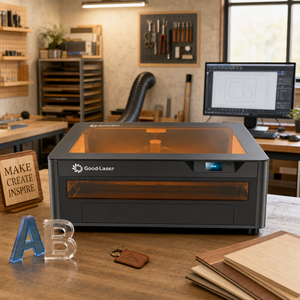
CO2 Laser Systems (10.6 μm Wavelength): Operating in the far-infrared spectrum, CO2 gas tube lasers are ideal for non-metallic organic materials. Polymers, acrylics, hardwoods, MDF, leather, and glass absorb 10.6 μm radiation rapidly, allowing clean vaporization with sealed, flame-polished edges. Modern enclosed CO2 systems (such as the Zetok desktop series or 1610 auto-feeders) provide high spatial resolution for micro-engraving.
UV Ultraviolet Lasers (355 nm Wavelength): Termed "cold laser processing," 355nm ultraviolet lasers possess extremely high photon energy that breaks molecular bonds directly rather than relying on thermal heating. This prevents heat-affected zones (HAZ), making UV lasers the premier choice for marking sensitive electronics, medical plastics, glass bottles, and high-density packaging in automated Canadian processing facilities.
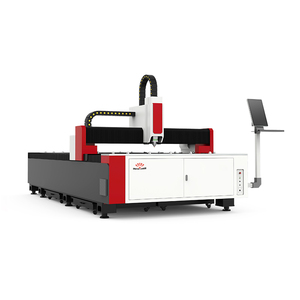
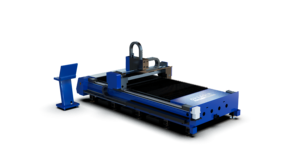
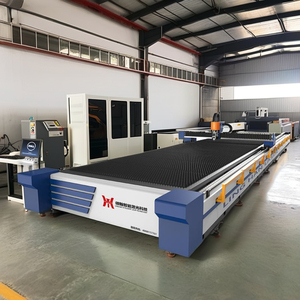
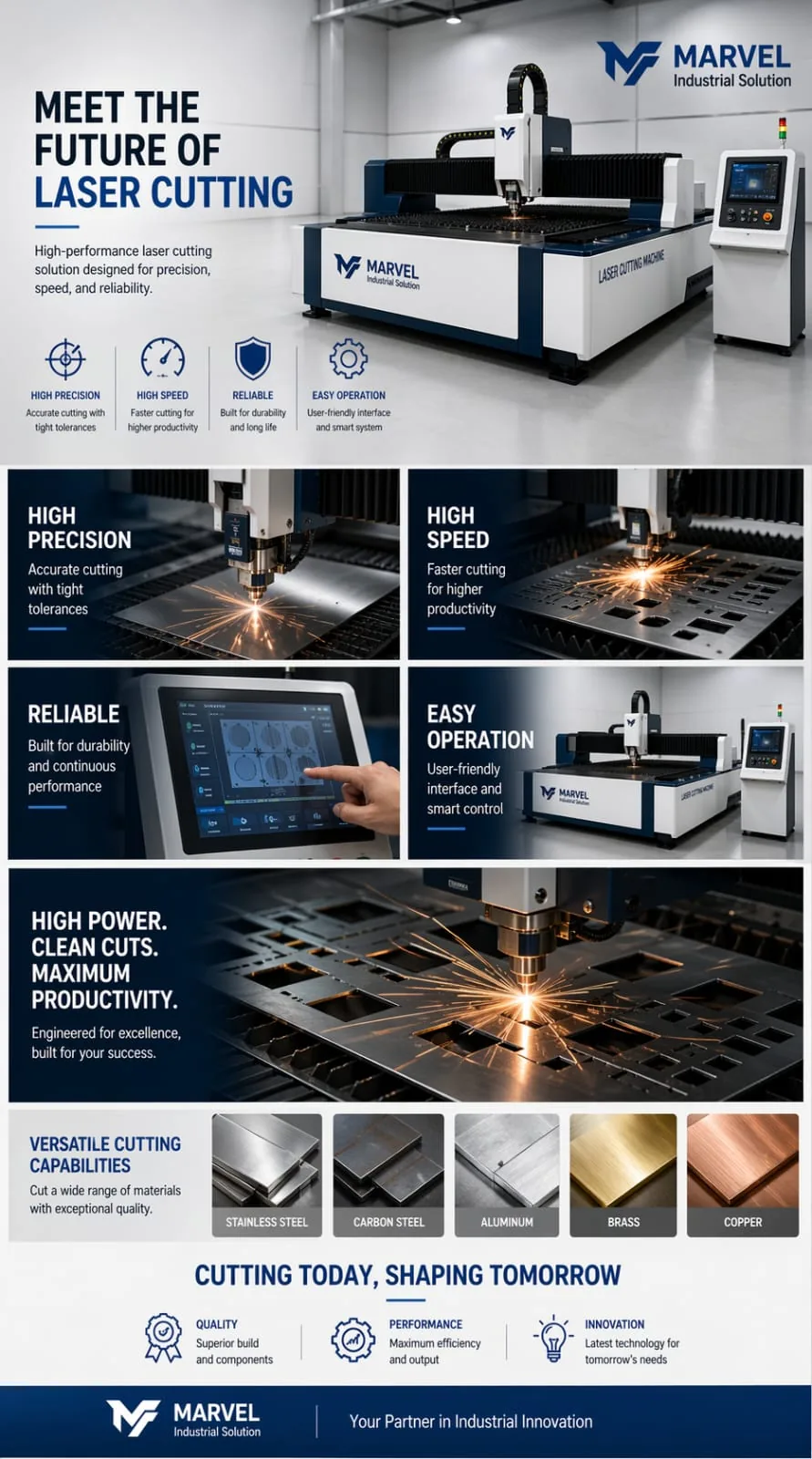
Industrial CNC Fiber Laser Blanking System on Modern Factory Floor
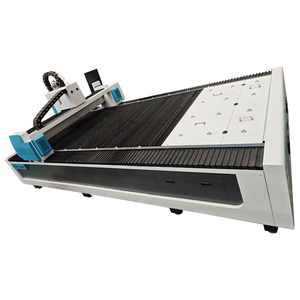
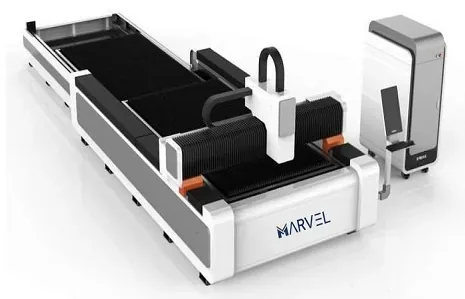
Dual Pallet Shuttle Exchange Table for Continuous Uninterrupted Cutting
3. Regional Canadian Application Scenarios & Engineering Field Use
Canada’s vast geographic and economic diversity demands targeted laser solutions engineered for specific provincial industrial applications:
Ontario: Automotive & Tier-1 Stamping
High-power 6kW to 12kW fiber laser cutters equipped with automated exchange tables process high-strength chassis components, electrical enclosure panels, and tool-and-die jigs with strict ±0.02mm tolerances.
Quebec: Aerospace & Defense Manufacturing
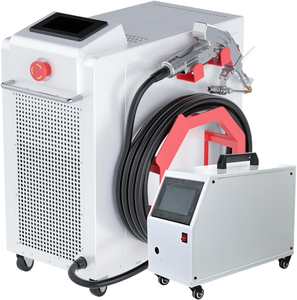
Precision vision-guided fiber marking stations and 3-in-1 handheld laser welders provide deep part traceability, micro-serial engraving, and low-distortion joint welding on specialized titanium and aerospace aluminum alloys.
Alberta: Oil, Gas, & Heavy Mining Tools
Large single-table fiber lasers (spanning up to 4015 and 6025 formats) cut structural steel plates up to 30mm thick. High-power laser marking systems etch heat-treat resistant identification codes onto drilling rigs and heavy valves.
British Columbia: Custom Architectural & Woodworking
Automated 1610 CO2 laser engravers and desktop enclosed units execute fast, burn-free engraving on cedar, birch plywood, acrylic signage, and custom furniture fittings for local architectural projects.
Manitoba & Saskatchewan: Agricultural Equipment
Coil-fed auto-feeding laser cutting machines continuously blank agricultural sheet metal, hopper components, and grain handling systems, maximizing material yield and minimizing scrap loss.
Atlantic Canada: Marine & Ship Repair
Portable handheld 3000W fiber laser welding and cleaning machines allow shipyard technicians to strip rust, oxide coats, and perform high-strength structural repairs directly on vessel hulls.
4. Canadian Operational Best Practices: Compliance, Climate, & Logistics
Importing industrial machinery into Canada requires navigating regional electrical compliance, environmental controls, and shipping logistics:
A. Electrical Compliance & Safety Standards (CSA SPE-1000 / ESA / UL)
In Canada, all industrial electrical equipment must comply with the Canadian Electrical Code (CEC). Uncertified machinery imported from abroad cannot legally be connected to provincial power grids without field evaluation. Premier Chinese laser manufacturers mitigate this risk by integrating CSA/UL-certified electrical components (such as Schneider contactors, Meanwell power supplies, and CE/UL rated wiring) directly during factory assembly. Buyers can request pre-shipment CSA SPE-1000 field evaluation or ESA inspection prior to factory dispatch, ensuring turnkey installation upon arrival at Canadian ports.
B. Cold-Climate Industrial Operation & Water Chiller Protection
Canadian winters expose industrial facilities to extreme temperature variations. High-power fiber lasers require closed-loop dual-temperature water chillers (cooling both the laser source and QBH optics). If ambient shop temperatures drop during winter shutdowns, unheated chiller fluid can freeze, cracking optical tubes and laser cavity modules. Best practices include utilizing factory-approved glycol anti-freeze solutions, installing automatic ambient thermal monitoring, and maintaining low-humidity optical enclosure chambers to prevent condensation (dew point formation) on laser lenses.
C. Duty Tariffs & Customs Clearance (CBSA & Port Handling)
Laser cutting and engraving machinery imported under Harmonized System (HS) code 8456.11 (Laser-operated machinery for metal cutting) or 8456.12 (Laser-operated machinery for non-metal processing) benefit from predictable tariff structures under Canadian Border Services Agency (CBSA) guidelines. Partnering with experienced Chinese OEMs guarantees proper sea-worthy vacuum packaging, fumigated wooden crating, and complete export documentation (Bill of Lading, Commercial Invoice, Packing List, Certificate of Origin) for seamless clearance through Port of Vancouver, Port of Montreal, or inland intermodal terminals in Toronto and Calgary.
5. OEM Corporate Strengths: Engineering Excellence & Global Support
When sourcing laser machinery directly from our Chinese manufacturing headquarters, Canadian clients gain access to comprehensive engineering capabilities backed by rigorous quality assurance:
Annealed High-Rigidity Machine Beds: Heavy steel plate welding followed by high-temperature thermal annealing relieves internal structural stress. CNC gantry milling ensures long-term bed stability, maintaining 0.02mm positioning accuracy over decades of multi-shift operation.
Tier-1 Supply Chain Component Sourcing: We strictly integrate proven global components—Raycus / Max / IPG fiber laser sources, Japanese Yaskawa / Panasonic servo motors, French Schneider electronics, and German APEX / Wittenstein gear reducers.
Factory Acceptance Testing (FAT) & Sample Verification: Before final shipment, clients can send CAD/DXF drawings for sample cutting or welding. We provide high-resolution edge inspection photos, cut speed logs, and live video run-throughs.
Documented Spare Parts & Remote Diagnostic Service: Every exported machine includes full electrical schematics, CAM nesting software training manuals, a first-year wearing parts kit (nozzles, protective lenses, ceramic rings), and 24/7 remote optical diagnostics via IoT control interfaces.
6. Canadian Buyer FAQ: Frequently Asked Procurement & Technical Questions
Q1: Which laser power rating should I choose for my sheet metal thickness?
Always size your laser source according to your regular daily production material, not occasional peak thickness. A 1.5kW to 3kW fiber laser economically handles up to 12mm mild steel and 6mm stainless steel. For continuous cutting of 16mm to 22mm mild steel, a 6kW system is recommended. For structural plates exceeding 25mm or high-speed nitrogen bright cutting of thin metal sheets, 12kW to 30kW ultra-high-power platforms offer the lowest cost-per-part ratio.
Q2: What is the main productivity difference between single table and exchange table machines?
A single table machine requires the laser to stop cutting while operators manual unload finished parts and load a new metal sheet. An exchange (dual pallet shuttle) table automatically swaps the cut bed with a fresh sheet outside the enclosure in under 15 seconds. This increases effective laser-on time by 25% to 35%, making exchange tables indispensable for high-volume Canadian fabrication shops operating multiple shifts.
Q3: Can fiber laser cutters safely process reflective metals like brass, copper, and aluminium?
Yes. Modern fiber lasers operating at 1064nm incorporate built-in anti-back-reflection optical isolators within the laser head and source modules. Combined with specialized high-pressure assist gas (Nitrogen or Oxygen) and correct focus tuning, fiber lasers process copper, brass, bronze, galvanized steel, and aluminium cleanly without optical back-reflection damage.
Q4: What are the primary operating costs of a fiber laser cutting system in Canada?
Operating costs consist of electrical power consumption, assist gas usage (Oxygen for thick carbon steel, Nitrogen or compressed air for oxide-free stainless and aluminium cut edges), and minor wearing consumables (copper nozzles, protective glass windows, and ceramic rings). Fiber lasers eliminate costly laser gas mixtures, turbo pumps, and internal mirrors required by old CO2 metal cutters, drastically lowering hourly shop costs.
Q5: How do Chinese manufacturers guarantee machine electrical compliance in Canada?
Machines engineered for Canadian export utilize standardized 208V / 480V / 600V 3-phase transformers matching Canadian industrial voltages. All internal control panels follow standard IEC/UL wiring conventions. We can coordinate third-party field evaluations (CSA SPE-1000 or ETL listing) prior to export or arrange for Canadian field approval upon delivery.
Q6: How are warranty support and emergency spare parts handled overseas?
Our laser machines come standard with a 3-Year Factory Warranty covering the laser source, gantry structure, and core CNC controls. Spare parts (such as lenses, nozzles, sensors, and optical cables) are shipped via express international air freight (DHL/FedEx) arriving within 3 to 5 business days in Canada. Remote engineering diagnostics allow our technical staff to troubleshoot software and parameter issues online in real-time.
Q7: Can I request customized special purpose machines (SPM) or automated robotic loaders?
Yes. Beyond standard sheet and tube laser cutters, we engineer fully customized automation cells—including gantry robot loading/unloading systems, stamping press transfer robots, automatic coil-feeding laser lines, and automated metal polishing machinery tailored to your factory layout and target production output.
Accelerate Your Canadian Production with Factory-Direct Laser Equipment
Contact our senior application engineers today to discuss your material cutting specs, request a customized ROI & cost-per-part calculation, or submit your DXF drawings for pre-purchase sample cutting verification.