Factory-direct laser systems rigorously benchmarked for Nordic heavy fabrication, offshore structural engineering, and high-efficiency sheet metal processing.
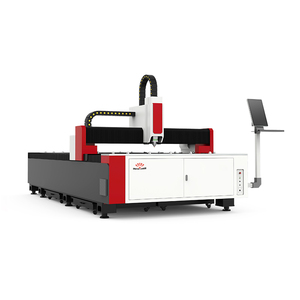
Heavy-duty 4000x1500mm cutting bed built for thick stainless steel and carbon steel plates. Ideal for maritime structural fabrication.
Send an Inquiry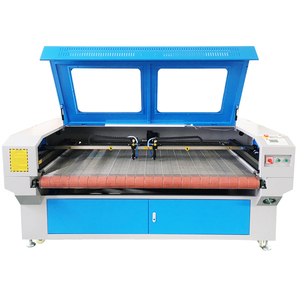
Versatile 1600x1000mm laser system for acrylic, timber, gaskets, rubber, and organic synthetic materials with high precision controls.
Send an Inquiry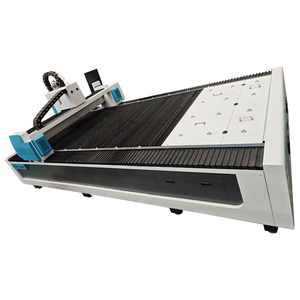
High-speed metal sheet cutting cell featuring stress-relieved gantry frame, automated focus head, and tier-1 fiber laser source.
Send an Inquiry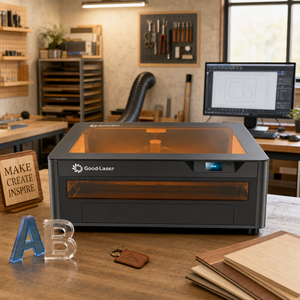
Compact Class-1 safety enclosed cutter with 520x315mm working zone. Perfect for precision prototypes, electronics, and small parts.
Send an Inquiry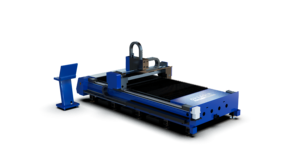
Compact footprint industrial metal sheet cutter engineered for high repeatability in stainless steel, copper, and aluminum processing.
Send an Inquiry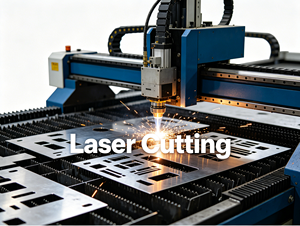
OEM/ODM OEM laser processing setups configured for brass, copper, titanium, and specialized alloy fabrication to exact engineering drawings.
Send an Inquiry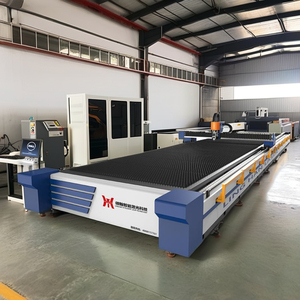
Maximum-throughput fiber laser platform optimized for heavy industrial plate cutting, nitrogen bright surface edge processing, and 24/7 uptime.
Send an Inquiry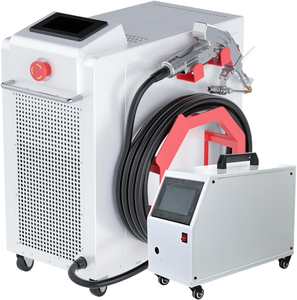
Integrated 3-in-1 laser welding, cutting, and cleaning gun with industrial water chiller. Delivers seamless joints on marine grade stainless steel.
Send an InquiryHow advanced fiber laser systems fulfill the extreme mechanical demands, cold-climate thermal stability, and environmental regulations of Nordic manufacturers.
Norway represents one of the world's most demanding industrial environments for machinery procurement. Driven by world-class maritime technology, subsea oil and gas infrastructure, offshore wind energy, and automated aquaculture systems, Norwegian manufacturers cannot compromise on structural integrity, operational efficiency, or machinery longevity. As an established CNC laser exporter, our machinery architectures are meticulously configured to meet the explicit specifications of buyers in industrial hubs such as Oslo, Bergen, Stavanger, Trondheim, and Drammen.
In Norway, the cost of skilled labor is among the highest globally, while electrical power—derived predominantly from renewable hydroelectric generation—is exceptionally clean and cost-efficient. This economic reality reshapes the ROI calculations for metal fabricators. Norwegian job shops and OEMs prioritize automation, ultra-high dynamic speed, minimum assist gas wastage, and zero rework. Buying a CNC laser machine is not merely acquiring a cutting tool; it is installing a high-uptime production engine capable of lights-out manufacturing under strict European safety standards.
Coastal and offshore infrastructure across the Norwegian Continental Shelf requires extensive use of corrosion-resistant materials such as AISI 316L stainless steel, 2205 Duplex, 2507 Super Duplex, and structural titanium alloys. Cutting these materials without causing micro-cracking, heat-affected zone (HAZ) oxidation, or burr formation is essential for meeting NORSOK and ISO 12944 surface preparation standards.
Our high-power fiber laser systems (ranging from 6,000W to 30,000W) utilize high-pressure Nitrogen (N2) bright-cutting technology. By completely shielding the melt pool from atmospheric oxygen during beam interaction, our cutters produce oxide-free edge surfaces with surface roughness parameters (Ra) consistently below 6.3 µm. This eliminates the expensive secondary deburring and edge-grinding processes typically required before structural welding or coating application in Norwegian shipyards.
Fluctuating ambient temperatures in unheated or semi-heated workshop environments across Northern Norway can impair optical laser stability and mechanical guide alignment. To counteract thermal drift, our machine structures undergo a comprehensive thermal management design:
Machine frames are fabricated from heavy structural steel plates, subjected to 600°C high-temperature heat treatment and 24-hour slow furnace cooling to eliminate internal welding stress. This ensures that machine beds retain geometric positioning tolerances within ±0.03mm across decades of operation, even when subjected to ambient temperature swings typical of Scandinavian winters.
Understanding the regulatory, green energy, and technological shifts driving capital equipment selection in the Nordic region.
Norway leads Europe in adopting fossil-free production. Norwegian fabricators actively mandate low-kilowatt-draw machinery. Fiber laser sources offer wall-plug electrical efficiency of up to 40-45% (compared to 8-10% for legacy CO2 lasers), reducing overall carbon footprint and aligning with national ESG standards.
With massive investments in offshore wind facilities (such as Sørlige Nordsjø II and Utsira Nord), demand for thick-plate structural cutting equipment is surging. 12kW to 30kW fiber lasers capable of bevel cutting heavy structural plate up to 40mm are rapidly replacing plasma cutters.
Due to high wage structures, Norwegian manufacturers demand automated exchange tables, automatic sheet loading/unloading gantry systems, and nesting software integrations that maximize unattended spindle-on time per shift.
Empirical baseline data mapping laser power wattage against material thickness, assist gas parameters, and primary regional industry applications.
| Laser Power | Clean Cut Capacity (Stainless Steel) | Max Cut Capacity (Mild Steel) | Optimal Assist Gas | Target Norway Industry Application |
|---|---|---|---|---|
| 1.5 kW - 3.0 kW | Up to 6 mm | Up to 16 mm | N2 / Air / O2 | HVAC ducting, electrical panel enclosures, architectural sheet metal (Oslo region) |
| 6.0 kW - 8.0 kW | Up to 14 mm | Up to 25 mm | High-Pressure N2 | Aquaculture feeding barges, fish processing machinery, general job shop fabrication |
| 12.0 kW | Up to 25 mm | Up to 35 mm | N2 / Compressed Air | Maritime structural components, vessel repair, subsea cable reels (Bergen & Ålesund) |
| 20.0 kW - 30.0 kW | Up to 35 mm | Up to 45 mm | N2 Bright Cut / O2 | Offshore oil & gas platforms, wind turbine monopile fixtures, heavy structural engineering (Stavanger) |
Complete end-to-end quality assurance, direct machine building expertise, and robust overseas export support.
We are a dedicated machine builder, not a middleman or trading house. Every gantry frame is stress-relieved, precision milled on giant gantry CNC centers, and wired to stringent electrical schematics in our certified facility.
Our export machinery fully integrates European Machinery Safety Directive compliance, including fully enclosed Class-1 safety covers, OD6+ laser protective viewing glass, emergency safety loops, and dual-channel safety interlocks.
Machinery dispatches to Norwegian ports (Oslo, Drammen, Kristiansand, Stavanger, Bergen) feature vacuum anti-corrosion foil sealing, moisture-absorbent desiccant packs, and heavy-duty steel-skid wooden crates designed for North Sea sea freight.
Detailed technical and commercial answers addressing import rules, voltage standards, technical support, and spare parts availability in Norway.
Norway is unique in Europe because large portions of the industrial grid still use a 230V 3-phase IT grid system alongside modern 400V 3-phase TN-S systems. Prior to export manufacturing, our engineering team verifies your facility's exact electrical configuration. We supply custom heavy-duty isolation transformers (CE marked) pre-wired with your machinery package to guarantee seamless plug-and-play installation without phase unbalance or voltage drop issues.
CNC metal processing laser machines imported into Norway under HS Code 8456.11.00 generally enjoy zero percent (0%) customs import duty under standard tariff schedules. However, imports are subject to Norway's standard 25% Value Added Tax (Merverdiavgift - MVA). Norwegian registered businesses handle MVA clearance via their standard reverse-charge tax returns (Import MVA). We provide complete commercial invoices, HS code documentation, packing lists, and Certificate of Origin (COO) paperwork to streamline customs clearance at Norwegian ports.
We provide a hybrid support architecture: 1) Every export machine includes remote Internet diagnostics (via secure gateway), allowing our senior optic and software engineers to troubleshoot parameters, PLC inputs, and CNC code in real time. 2) For physical installation and operator commissioning, we dispatch factory engineers directly to your site in Norway. 3) Standard consumables (protective windows, copper nozzles, ceramic rings) and tier-1 components (Raytools, Precitec, IPG, Raycus) ship via express courier (DHL/FedEx) with 48 to 72-hour delivery to major Norwegian industrial destinations.
Yes. The 1064nm wavelength of modern fiber lasers is absorbed far more effectively by non-ferrous reflective metals than legacy 10,600nm CO2 beams. Furthermore, our laser sources incorporate hardware-level back-reflection isolation protection. This prevents optical feedback damage when piercing or cutting highly reflective materials such as pure copper, marine brass, and architectural aluminum alloys.
Standard model configurations (such as 3015 or 4015 single table or exchange table units) carry a manufacturing and factory assembly lead time of 20 to 30 calendar days. Custom engineered automation lines or high-power 20kW+ machines require 35 to 45 days. Ocean shipping from port of loading to main Norwegian ports (Oslo, Stavanger, Bergen) typically takes 30 to 40 days depending on shipping line schedules.
