Engineering High-Precision Stainless Steel Sheet Metal Blanking, Nitrogen Bright-Cutting Systems & Automated Laser Automation Built for Japanese Culinary Equipment Manufacturers
Industrial Product Range
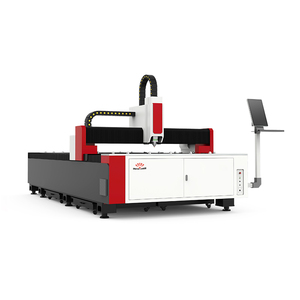
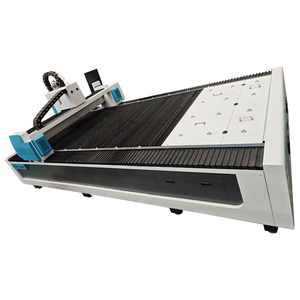
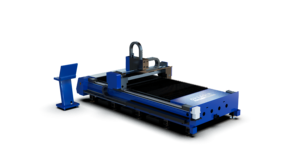
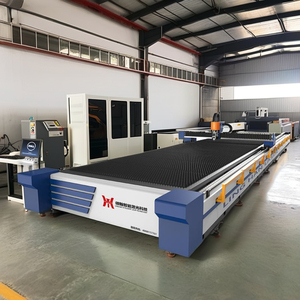
High-Precision CNC Fiber Laser Systems & Fabricating Machinery
Direct factory solutions optimized for Japanese commercial kitchen fabricators, appliance OEMs, and stainless steel sheet metal processing workshops.
Engineering Precision Fiber Laser Solutions for Japan's Kitchenware OEM/ODM Sector
The commercial and residential kitchen equipment manufacturing ecosystem in Japan operates under stringent quality expectations. Driven by the Japanese Ministry of Health, Labour and Welfare (MHLW) sanitation guidelines and Food Sanitation Act standards, culinary equipment fabricators in major industrial hubs—including Tokyo, Osaka, Nagoya, and Tsubame-Sanjo—demand absolute surface integrity. Metal blanking processes must yield micro-smooth, oxide-free edges on austenitic stainless steel grades (such as JIS SUS304 and SUS316) to eliminate places where bacteria can accumulate, ensure long-term corrosion resistance, and facilitate automatic robotic welding.
As a specialized OEM/ODM factory and direct exporter serving the Japanese market, our industrial CNC fiber laser cutting systems are engineered specifically to solve the thermal, mechanical, and surface hygiene challenges inherent in fabricating thin-to-medium gauge stainless steel kitchen machinery. By pairing high-brightness fiber laser sources (ranging from 1.5kW up to 30kW) with high-pressure nitrogen auxiliary gas dynamics, our machines achieve dross-free edge roughness values (Ra < 3.2 µm) without requiring manual deburring or secondary grinding operations.
Key Engineering Metric: Nitrogen Bright-Cutting vs. Oxidized Edges
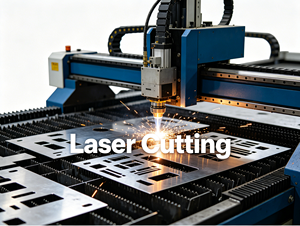
When cutting stainless steel kitchenware with traditional oxygen assist gas, a dark iron-oxide layer forms along the kerf. Under strict Japanese hygiene standards, this oxide film causes premature corrosion and seam contamination during downstream TIG or laser welding. Our high-pressure (up to 2.5 MPa) Nitrogen Bright-Cutting technology shields the molten metal pool, ensuring a pure, bright stainless steel edge ready for direct sanitary assembly.
1. Eliminating Thermal Distortion in Thin-Gauge Kitchenware Sheet Blanking
A primary technical bottleneck in manufacturing Japanese commercial kitchen units—such as stainless sinks, gas range panels, bento-steaming cabinets, and refrigeration housings—is managing heat input on thin sheets (0.8mm to 3.0mm thickness). Excessive heat accumulation creates sheet buckling and oil-canning warpage, rendering components unsuitable for tight-tolerance assembly lines.
Our OEM fiber laser cutting tables mitigate thermal dissipation issues through three structural innovations:
Ultra-High Dynamic Acceleration (up to 1.5G): Paired with high-torque Yaskawa or Fuji AC servo drive motors, the cutting head traverses at speeds over 100 m/min, drastically shortening laser dwell time per millimeter of metal.
Sub-Pixel Dynamic Focus Adjusters: Cutting heads fitted with fast-response motorized lenses continuously adjust focal spot diameters according to feed speed, minimizing energy density overhead during micro-cornering.
Annealed Segmented Bed Structures: Machine beds undergo a 600°C thermal annealing cycle in gantry furnaces to relieve internal welding stress, keeping positioning stability within ±0.02mm across years of continuous multi-shift production.
2. Localized Industry Trends Shaping Japan's Kitchenware Production Landscape
Procurement intent within Japanese metalworking enterprises is shifting rapidly toward automated, low-labor, eco-efficient machinery. Japan’s manufacturing sector faces unique demographic pressures, pushing fabricators to modernize through smart factory initiatives:
Demographic Labor Adaptation
With an aging domestic skilled workforce, Japanese factories require intuitive CNC control systems (CypCut / BECKHOFF interfaces translated into Japanese), auto-loading dual pallet shuttles, and vision camera positioning systems that reduce human operator error.
METI Carbon-Neutral Compliance
Japan’s Ministry of Economy, Trade and Industry (METI) emphasizes energy conservation. Our fiber lasers achieve over 40% electro-optical wall-plug efficiency—consuming up to 70% less power than legacy CO2 systems.
High-Mix Low-Volume Flexibility
Japanese kitchen OEMs demand quick setup changes between custom restaurant fit-outs and standardized domestic appliances. Automatic nozzle changers and parameter storage enable instant material switching.
Performance Benchmarks
Laser Output Power vs. SUS304 Kitchenware Processing Matrix
Technical processing data verified during pre-shipment testing for Japanese procurement specifications.
Laser Source Power
Material & Thickness (JIS)
Assist Gas / Pressure
Cutting Speed (m/min)
Edge Roughness (Ra)
Primary Kitchen Equipment Application
1.5 kW - 2.0 kW
SUS304 (0.8 - 2.0 mm)
N₂ / 1.6 - 1.8 MPa
18.0 - 32.0 m/min
< 2.5 µm
Cabinet panels, backsplash trays, small utensils
3.0 kW - 4.0 kW
SUS304 / SUS316 (3.0 - 5.0 mm)
N₂ / 2.0 - 2.2 MPa
12.0 - 22.0 m/min
< 3.0 µm
Deep-drawn sink blanks, commercial fryer frames
6.0 kW - 8.0 kW
SUS304 (6.0 - 12.0 mm)
N₂ / 2.2 - 2.5 MPa
5.5 - 14.0 m/min
< 3.2 µm
Heavy structural range legs, commercial oven doors
12.0 kW - 15.0 kW
SUS304 / Carbon Steel (14 - 25 mm)
High-Mix Air / O₂
2.2 - 8.0 m/min
< 4.0 µm
Industrial food processing plant machinery frames
* Note: Data measured using Raycus/IPG fiber sources and Precitec autofocus heads under clean dry nitrogen assist conditions.
Why Partner With Us
Factory Direct Manufacturing Rigor & Japan Export Standards
We operate as a genuine machine builder rather than an intermediary trading house. From stress-relieved gantry frame machining to wiring electrical cabinets according to Japanese industrial standards (JIS/CE compliant transformer specs), our factory controls every build step.
Japanese Voltage Standard Compatibility: Built-in 3-phase 200V 50Hz (Eastern Japan / Tokyo) or 60Hz (Western Japan / Osaka) step-up power transformers.
Tier-1 Global Components: Raycus/IPG fiber laser resonators, Shimpo gearboxes, Schneider electronics, and SMC pneumatic valves ensuring local part availability.
DXF/CAD Pre-Shipment Trial Cutting: Japanese buyers send technical drawings; we record video trial cuts on customer-specified SUS sheet and provide optical edge verification report prior to dispatch.
Export-Safe Vacuum Packing: Heavy structural timber crating with anti-corrosion barrier foil for moisture protection during maritime shipping to Yokohama, Tokyo, Osaka, and Kobe ports.
Need Custom Machine OEM Specification?
Our engineering team collaborates directly with Japanese machinery importers, brand owners, and kitchenware plant directors to deliver tailored color schemes, custom bed dimensions, and specialized automation interfaces.
Frequently Asked Questions by Buyers Serving Japan
Addressing engineering specs, electrical grid matching, shipping logistics, and maintenance for Japanese imports.
Q1: How do your machines handle Japan's regional power voltage differences (200V 50Hz vs 60Hz)?
Our export fiber laser machines built for Japan come standard with customized industrial isolation transformers. Whether your facility is located in Eastern Japan (Tokyo, Yokohama at 50Hz) or Western Japan (Osaka, Nagoya, Kobe at 60Hz), we pre-configure the power distribution unit to accept 3-phase 200V / 220V grid inputs seamlessly without overheating or laser power drops.
Q2: Is nitrogen bright-cutting essential for Japanese commercial kitchenware?
Yes. Commercial kitchen equipment in Japan must strictly adhere to sanitary guidelines. Oxygen cutting creates a black oxide coating on SUS304 stainless steel that must be manually scrubbed or acid-pickled off. Nitrogen bright-cutting prevents oxidation entirely, allowing cut sheets to move straight to press brake bending and sanitary laser welding without secondary labor.
Q3: Can your CNC interface be operated in the Japanese language?
Yes. Our CypCut and CNC operating software suites include complete Japanese language pack options. Machine touchscreens, alarm diagnostics, parameter menus, and nesting CAM software can be toggled between Japanese and English, making training easy for domestic Japanese operators.
Q4: What is the typical lead time and shipping process to Japanese main ports?
Standard machine builds take approximately 15 to 25 manufacturing days. Shipping via ocean freight from our factory to major Japanese ports (such as Tokyo, Yokohama, Nagoya, or Osaka) typically takes only 7 to 12 transit days. We provide sea-worthy moisture-proof vacuum packaging inside reinforced steel-frame wooden crates.
Q5: How is after-sales technical support handled for Japanese factories?
We provide remote diagnostic support via encrypted cloud interfaces, video assistance, and detailed Japanese operator documentation. Spare parts (such as protective lenses, ceramic rings, and nozzles) ship via express courier (DHL/FedEx) arriving in Japan within 48 to 72 hours. On-site commissioning engineers are also available upon contract request.
Q6: Do your fiber lasers support thin-sheet copper and brass cutting for kitchen accent hardware?
Absoltely. Our fiber laser sources are fitted with hardware back-reflection isolators. This allows safe, high-speed cutting of highly reflective non-ferrous metals, including yellow brass, red copper, and decorative aluminium plates used in high-end commercial kitchen fixtures.
Direct Factory Engagement
Request a Custom Technical Proposal & Sample Cut
Send us your DXF/CAD drawings and stainless steel grade specifications. Our application engineering team will prepare an optimized nesting report, power requirement calculation, and direct factory price quote tailored for your Japanese production line.