Precision-engineered systems compliant with CE, ISO 9001, and EU Machinery Directives for immediate integration into Swedish production facilities.
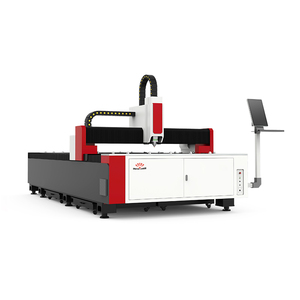
Heavy-duty 4000x1500mm bed format equipped with ultra-high power fiber resonators for rapid cutting of stainless steel, carbon steel, and non-ferrous alloys.
Get Catalog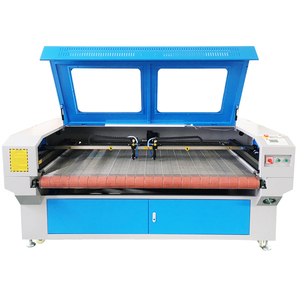
High-speed non-metallic processing for MDF, acrylic, technical textiles, leather, and rubber with auto-feeding capability and competitive operating costs.
Get Catalog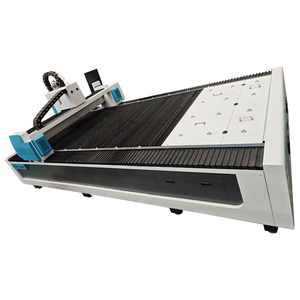
Precision sheet metal cutting solution backed by direct factory support, featuring stress-relieved gantry architecture and auto-focus cutting head optics.
Get Catalog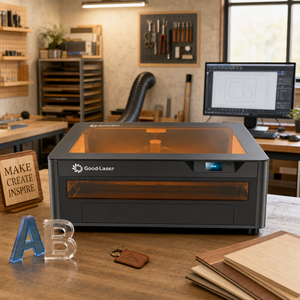
Compact Class-1 safety enclosed unit designed for high-precision 520x315mm work areas, ideal for medtech prototyping and delicate component marking.
Get Catalog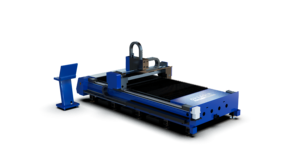
Space-efficient single-bed fiber cutter engineered for high repeatability, fast acceleration, and zero burr production on stainless steel sheets.
Get Catalog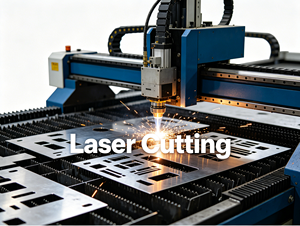
OEM/ODM full-service manufacturing solutions for specialized alloy parts, structural sub-assemblies, and multi-axis complex metal fabrications.
Get Catalog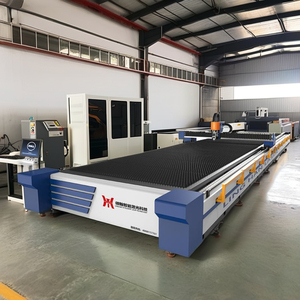
Ultra-high dynamic laser workstation equipped with intelligent piercing algorithms, gas pressure monitoring, and exchange table options for non-stop output.
Get Catalog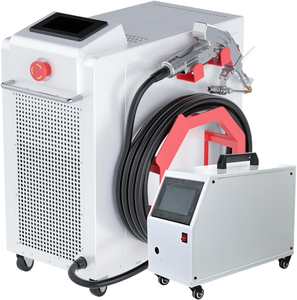
Versatile 3-in-1 laser system for welding, cutting, and surface cleaning with dual wobble head optics, integrated water chiller, and wire feeder.
Get CatalogAs Swedish industrial enterprises continuously pioneer sustainable, digitalized, and highly automated production processes, the demand for high-reliability, traceable, and energy-efficient laser machining infrastructure has reached an unprecedented high. Operating within the realm of Industry 4.0, leading Swedish manufacturers—spanning automotive tier suppliers in Gothenburg and Södertälje, medical device innovators in Stockholm and Uppsala, heavy engineering hubs in Sandviken and Kiruna, and green-technology producers across Skåne—require laser systems engineered not merely for surface aesthetic marking, but for total lifecycle part traceability, micro-precision material modification, and seamless automated line integration.
This technical guide evaluates the engineering parameters, optical physics, material interaction profiles, and custom OEM/ODM architectural requirements necessary to deploy industrial fiber, CO2, UV, and MOPA laser solutions optimized specifically for the Swedish market context.
Key Information Gain Insight: Direct Part Marking (DPM) in Nordic industrial environments requires compliance with strict environmental exposure standards (SS-EN ISO 9227 corrosion testing). Laser markers must achieve subsurface annealing or deep engraved contrast without compromising the underlying metallurgical integrity of corrosion-resistant alloys such as 316L stainless steel, titanium Grade 5, or anodized aluminum alloys.
When selecting an OEM or ODM laser system, understanding the core laser source physics and scanning optics is vital for matching machine capabilities with factory floor expectations:
A. Fiber Laser Systems (1064nm Wavelength): Utilizing Ytterbium-doped fiber laser resonators (such as IPG, Raycus, or MAX platforms), fiber laser markers deliver exceptional beam quality (M² < 1.3) and electro-optical conversion efficiencies exceeding 30%. This wavelength is optimal for metallic substrates including stainless steel, tool steel, brass, copper, and high-density polymers. Pulse durations range from standard Q-switched regimes (80-120 ns) to advanced MOPA (Master Oscillator Power Amplifier) architecture allowing variable pulse widths (2 to 500 ns). MOPA flexibility is crucial for non-destructive color marking on titanium, dark marking on anodized aluminum without stripping the protective oxide layer, and thermal management on delicate automotive electronics.
B. Ultraviolet Cold Laser Marking (355nm Wavelength): Generated via third-harmonic generation (THG) of Nd:YAG or Nd:YVO4 lasers, UV lasers operate through photo-chemical disruption rather than thermal ablation. By breaking molecular bonds directly with negligible thermal dissipation ("cold processing"), UV markers produce high-contrast, zero-dross markings on heat-sensitive materials including medical-grade polymers (PEEK, PTFE, silicone), glass packaging, and delicate flex-PCBs. This technology is critical for Swedish MedTech companies adhering to strict EU Medical Device Regulations (MDR 2017/745) for Unique Device Identification (UDI).
C. Carbon Dioxide Systems (10.6µm / 9.3µm Wavelength): Sealed RF-excited CO2 laser sources remain the definitive standard for processing organic and non-metallic materials, including natural timber, paperboards, acrylics, leather, glass, and technical textiles. In Sweden's forest product and packaging design sectors, high-power CO2 laser markers provide high-speed variable data coding for sustainable paperboard and wood product verification.
Every industrial node in Sweden presents unique operating conditions, material specifications, and regulatory compliance standards. OEM/ODM customization allows machinery to be tailored precisely to these regional clusters:
Gothenburg & Södertälje (Automotive, E-Mobility & Heavy Transport): Suppliers to Volvo Group, Scania, and Polestar require robust Direct Part Marking (DPM) of 2D DataMatrix codes, VIN numbers, and serials onto engine blocks, chassis components, transmission gears, and battery structural enclosures. OEM laser markers deployed here feature 3D dynamic galvo focusing systems capable of marking sloped, spherical, or stepped surfaces with precise focal tracking. Furthermore, integrated vision validation cameras automatically scan and score DataMatrix codes against ISO/IEC 15415 standards before parts leave the cell.
Stockholm, Uppsala & Medicon Village Lund (Life Sciences & Medical Technologies): Manufacturers producing surgical instruments, orthopedic implants, and diagnostic equipment must enforce permanent traceability that withstands repeated steam autoclaving, gamma sterilization, and aggressive chemical washing. OEM MOPA fiber lasers configured with sub-nanosecond pulse control produce black-annealed marks on stainless steel (AISI 316L) without burning the surface or inducing micro-fractures, ensuring the passive chromium oxide layer remains intact to prevent localized corrosion.
Sandviken, Kiruna & Västerås (Heavy Mining, Steel Processing & Power Infrastructure): Processing high-strength structural steels like Hardox®, Strenx®, and heavy cast steel sections demands high-power 50W to 100W fiber laser markers capable of deep engraving (>0.2mm depth). This guarantees serial numbers and heat numbers remain legible even after blast cleaning, protective coating, or exposure to abrasive subterranean mining conditions in northern Sweden.
Småland & Dalarna (Precision Furniture, Woodworking & Design Tech): Utilizing automated 1610 CO2 laser cutters and laser markers, manufacturers process Scandinavian timber, veneer, and acoustic felt panels with zero physical tooling wear, minimal dust generation, and exceptional edge kerf accuracy.
Technical comparison to assist procurement engineers in selecting the correct laser wavelength, beam characteristics, and hardware architecture.
| Laser Wavelength | Primary Substrates | Marking Mechanism | Thermal Impact | Typical Swedish Industry Use-Case |
|---|---|---|---|---|
| Fiber (1064nm) | Metals (Steel, Brass, Al), Engineering Plastics | Photothermal Ablation / Surface Melting | Moderate | Automotive DPM & Tooling |
| MOPA Fiber (1064nm) | Anodized Al, Titanium, Stainless Steel, ABS | Subsurface Annealing & Pulse Width Control | Low / Controllable | MedTech & Electronics |
| UV Laser (355nm) | Med-Plastics, Glass, Silicon, HDPE, PCB | Photochemical "Cold" Bond Disruption | Negligible | Medical UDI & Cleanrooms |
| CO2 Laser (10.6µm) | Wood, Acrylic, Leather, Glass, Organic Packaging | Thermal Pyrolysis / Evaporation | High Localized | Forestry, Furniture & Packaging |
From frame stress-relieving to bespoke PLC communication protocols, we bridge direct manufacturer pricing with European industrial standards.
All structural gantries and laser enclosures undergo high-temperature annealing and vibration stress relief to prevent mechanical warp, ensuring high alignment precision over a 10+ year operational lifespan.
Custom ODM enclosures engineered in compliance with SS-EN 60825-1 laser safety specifications, featuring interlocked access doors, certified OD6+ protective viewing windows, and integrated fume extraction ports.
Equipped with modern bus interfaces (Profinet, EtherCAT, Ethernet/IP) and OPC UA protocols, allowing real-time status reporting, automated job selection via ERP, and remote diagnostic telemetry.
We build strictly with proven components—IPG/Raycus laser sources, Schneider electrics, Panasonic/Sanyo Denki servo drives, and IPG/Sino-Galvo optical heads—ensuring localized spare part availability across Europe.
Prior to dispatch, every system undergoes rigorous Factory Acceptance Testing (FAT). Swedish clients receive detailed material cut/mark report analysis, dimensional measurement validation, and live video run trials.
Beyond standalone machines, our engineering division designs turnkey Special Purpose Machines (SPMs)—combining multi-axis gantries, rotary indexers, vision cameras, and robot loading cells tailored to your part drawings.
Navigating the Swedish machinery market involves strict alignment with both European Union regulations and domestic Swedish industrial standards. Buyers must evaluate OEM/ODM partners based on their ability to deliver compliant, future-proof industrial solutions:
Under the EU Green Deal and Sustainable Products Initiative, products marketed within Sweden will increasingly require a Digital Product Passport (DPP). Laser marking serves as the primary physical gateway for DPP compliance, etching high-density QR codes and DataMatrix codes capable of storing origin data, material composition, and carbon footprint metrics directly onto structural metal and plastic components.
Sweden leads the world in green steel production using hydrogen-based direct reduction (HYBRIT technology). Processing fossil-free steel grades requires accurate laser power modulation to prevent excessive oxidation or micro-structural heat-affected zones (HAZ) during cutting and marking operations. Our fiber laser algorithms offer custom pulse-shaping library profiles specifically optimized for fossil-free mild steel and recycled stainless steel alloys.
Industrial facilities in Sweden operate on standard 400V (±10%) 3-phase AC power at 50Hz. All OEM control cabinets shipped to Swedish customers are pre-configured with European standard terminal blocks, Schneider/Siemens circuit protection, standard neutral ground configurations, and full CE-compliant EMC filtering to prevent harmonic distortion on local plant grids.
The Swedish Work Environment Authority (Arbetsmiljöverket) enforces stringent indoor air quality threshold limits regarding airborne sub-micron particles released during laser ablation of metals and plastics. Our OEM laser marker systems integrate seamlessly with multi-stage HEPA and activated carbon filtration units (such as TBH or BOFA units), guaranteeing zero workplace contamination.
Clear, direct answers regarding customs, voltage compliance, lead times, warranties, and technical support for Swedish importers.
Standard fiber laser marking machines ship within 10 to 15 business days. Customized automated workstations or high-power laser cutting systems with specific safety enclosures require approximately 25 to 35 days for manufacturing, assembly, and Factory Acceptance Testing (FAT). Ocean freight from China to Gothenburg or Stockholm ports typically takes 30–35 days, while air-freight options deliver within 5–7 days.
All machinery exported to Sweden includes full CE Declaration of Conformity documentation, EC Machinery Directive certification, and RoHS/REACH material compliance reports. We offer DDP (Delivered Duty Paid) or DAP (Delivered at Place) terms, coordinating directly with Swedish customs brokerage partners to manage EORI registration, customs duties, and Swedish MOMS (VAT) processing smoothly.
Yes. All industrial power transformers, chillers, and laser power supplies are custom-wired and tested for 400V 3-phase 50Hz (or 230V single-phase 50Hz for compact galvo markers), ensuring plug-and-play installation without requiring external step-down transformers.
Our laser marking and cutting systems utilize industry-standard control platforms including EZCAD3 (for 2D/3D galvo marking), LightBurn, or CypCut (for CNC sheet cutters). These software platforms support vector and raster formats (DXF, STEP, AI, PLT, BMP) and allow easy network integration for dynamic SQL database querying and barcode auto-generation.
We provide a comprehensive 3-year warranty on core fiber laser sources and machine frames, supported by a 24-hour remote technical service desk. In the event of hardware replacement, modular assemblies (such as galvo scanners, lenses, or power units) are dispatched via express courier, backed by step-by-step video assistance from senior optical engineers.
Absolutely. We encourage Swedish procurement teams to send CAD drawings or sample physical parts (metals, polymers, wood) to our laboratory. Our application engineers perform detailed test runs, evaluating cycle speeds, mark depth, visual contrast, and corrosion resistance, providing a free comprehensive report and high-resolution video footage before order confirmation.
Partner with an established OEM/ODM manufacturer. Contact our engineering team today to receive detailed technical specifications, machine layout drawings, and competitive direct factory pricing tailored for your Swedish facility.
