Direct factory sales, customized 380V/50Hz power compatibility, tropicalized cooling systems, and robust structural frames engineered for 24/7 continuous industrial operation.
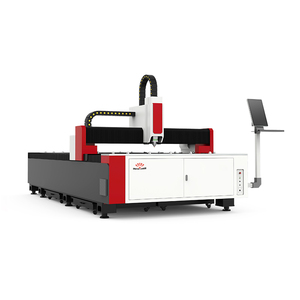
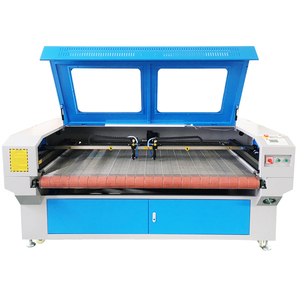
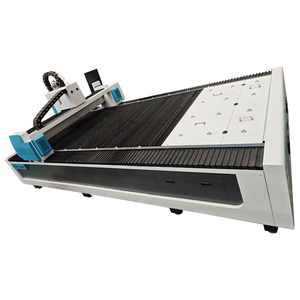
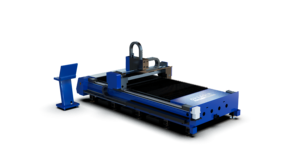
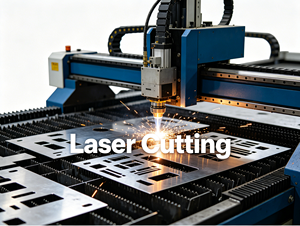
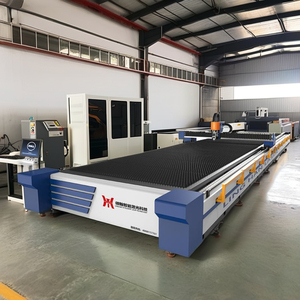
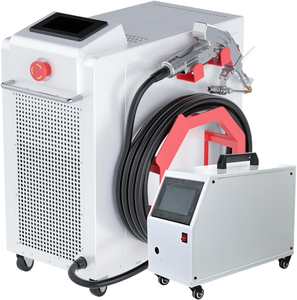
The Arab Republic of Egypt is undergoing an unprecedented industrial overhaul under Vision 2030. Key state-led infrastructure projects, including the Suez Canal Economic Zone (SCZONE), the New Administrative Capital, regional railway expansions, and naval shipbuilding facilities in Alexandria and Port Said, have driven an enormous demand for high-throughput, heavy-duty plate laser cutting equipment.
Historically, Egyptian steel fabrication shops located in major industrial nodes like 10th of Ramadan City, 6th of October City, Sadat City, and Badr City relied heavily on oxy-fuel flame cutting, mechanical shearing, and CNC plasma cutters. However, modern manufacturing economics require tighter tolerances (±0.03 mm), zero thermal warping, and lower secondary grinding overheads.
Exporting industrial machinery to Egypt requires specialized engineering considerations that standard equipment suppliers often oversee. Operating CNC fiber laser systems in North African climates presents unique environmental and logistical parameters:
Summers in Cairo, Giza, and Upper Egypt frequently exceed 42°C. Standard laser chillers trip under extreme heat. Our export machines feature high-capacity dual-circuit water chillers equipped with environmentally compliant R410A refrigerant and tropicalized heat exchangers to maintain optical diode stability below 22°C continuously.
Power supplied by the Egyptian Electricity Holding Company (EEHC) across older industrial zones may experience voltage fluctuations between 360V and 415V. We supply custom 380V/50Hz heavy-duty isolation transformers and continuous servo voltage regulators to protect sensitive Raycus, Max, or IPG optical modules from harmful electrical spikes.
Fine ambient dust during the "Khamaseen" seasonal winds can destroy precision linear guides and laser optics. Our machine cabinets utilize IP54 positive-pressure dust seals, fully enclosed optical paths, and double-gasketed electronics control bays with dedicated air conditioning units.
To assist Egyptian procurement directors, factory owners, and mechanical engineers in calculating ROI, the engineering matrix below details material throughput capabilities across our fiber laser machine line-up:
| Laser Power (kW) | Mild Steel (O₂ Assist) | Stainless Steel (N₂ Assist) | Aluminium (Air / N₂) | Brass & Copper | Recommended Egyptian Sector |
|---|---|---|---|---|---|
| 1.5 kW - 2.0 kW | Up to 12 mm | Up to 5 mm | Up to 4 mm | Up to 3 mm | Electrical Enclosures, HVAC, Signage |
| 3.0 kW - 4.0 kW | Up to 20 mm | Up to 10 mm | Up to 8 mm | Up to 6 mm | General Job Shops, Kitchen Equipment |
| 6.0 kW - 8.0 kW | Up to 25 mm | Up to 16 mm | Up to 14 mm | Up to 10 mm | Automotive Parts, Trailer Manufacturing |
| 12.0 kW - 15.0 kW | Up to 35 mm | Up to 25 mm | Up to 20 mm | Up to 14 mm | Shipbuilding, Heavy Structural Steel |
| 20.0 kW - 30.0 kW | Up to 45 mm | Up to 40 mm | Up to 35 mm | Up to 20 mm | Defense Industries, SCZONE Port Infrastructure |
Combining OEM engineering depth with comprehensive global after-sales support networks.
Every laser cutting bed undergoes high-temperature annealing at 600°C in an electric furnace over 24 hours to relieve structural internal stresses. This guarantees that the heavy-duty gantry frame maintains rigid positioning accuracy without deformation over 10+ years of heavy shop-floor use.
Before packing for sea freight to Alexandria or Ain Sokhna ports, every machine undergoes rigorous 24-hour laser interferometer tracking, squareness calibration, and trial cutting using the customer’s specified DXF files. Full inspection documentation and live video verification are provided prior to dispatch.
Machines are wrapped in anti-rust oil, sealed in vacuum moisture-proof foil, and secured in reinforced steel-frame wooden cases designed to withstand maritime transit through hot humid shipping routes. We provide complete bill of lading, Certificate of Origin (COO), and customs packing lists for Egyptian import clearance.
Our CNC laser machines are optimized for the key manufacturing sectors driving Egypt's domestic production and export economy:
Cutting thick gusset plates, I-beam connection plates, and architectural facade frames with high precision. Fiber laser technology cuts carbon steel plates up to 30mm cleanly using oxygen assist, eliminating the edge slag characteristic of plasma cutters.
Processing marine-grade aluminium alloy sheet and heavy steel hull structures. Large format single and exchange table models (e.g., 6025, 12025) accommodate oversized plates needed for ship components and marine container repair.
Manufacturing grain storage silos, irrigation pump brackets, and tractor attachments. Fiber laser cutting offers high speed nesting to maximize sheet metal utilization, dramatically lowering material scrap rates.
Rapid blanking of galvanised sheet, stainless steel panels, and copper busbars. Dual-pallet exchange table machines allow continuous sheet loading during cutting cycles, maximizing daily shift output.
Direct answers to essential commercial, technical, and regulatory questions asked by Egyptian buyers.
CNC laser cutting machines typically fall under HS Code 8456.11. In Egypt, industrial production equipment imported for manufacturing facilities benefits from specific customs duty incentives under Egyptian customs law. We supply complete commercial documentation—including legalised Certificates of Origin, proforma invoices, packing lists, and CE certificates—necessary for your customs broker to clear goods efficiently through Egyptian sea ports (Alexandria, Port Said, Sokhna).
Yes. Factory power in Egypt is standardized at 380V, 50Hz, 3-Phase. We custom wire and test all machine electrical systems to exact 380V/50Hz specifications prior to export. Furthermore, we install Schneider or Siemens circuit breakers and supply optional heavy-duty industrial automatic voltage regulators (AVR) to prevent operational interruptions due to local power drops.
We provide a comprehensive support framework for Egyptian buyers. Upon arrival of the machine at your workshop, our field application engineers provide remote interactive commissioning support, foundation engineering guidance, step-by-step video training, and complete English/Arabic software operation documentation. Qualified technical personnel can also be dispatched on-site for installation, parameter tuning, and CAM nesting software training.
Choice of assist gas depends on material and edge finish requirements:
• Oxygen (O₂): Best for thick carbon steel (low gas pressure, cost-effective cutting).
• Nitrogen (N₂): Crucial for stainless steel and aluminium to produce bright, oxide-free edges ready for immediate welding.
• High-Pressure Compressed Air: Highly popular in Egyptian job shops for cutting thin mild steel and stainless up to 4mm, reducing assist gas operational costs by up to 75%.
Standard manufacturing and assembly take 15 to 25 days depending on power configuration and bed size. Ocean transit time from China/India export ports to Alexandria Port, Port Said, or Sokhna Port typically ranges between 18 and 28 days. Total procurement cycle from contract confirmation to factory floor arrival is usually within 45 to 60 days.
To avoid production downtime, we include a consumable starter kit with every machine export. We recommend maintaining local backup inventory of protective lens windows, cutting nozzles (single and double layer), ceramic insulation rings, and replacement air filter elements. All consumables are standard worldwide specifications available for rapid express dispatch.
Send us your CAD drawings, material thickness range, or production capacity targets today. Our application engineering team will provide a tailored machine power recommendation, localized cost analysis, and an official factory quotation within 24 hours.
