Factory Direct Equipment
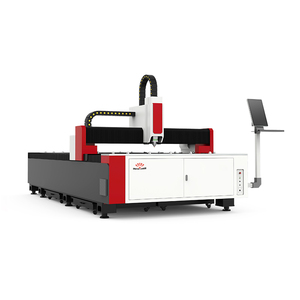
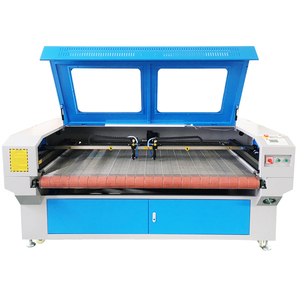
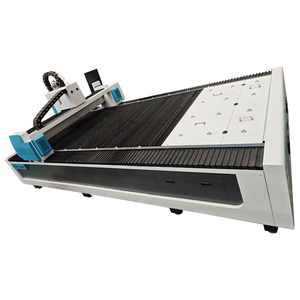
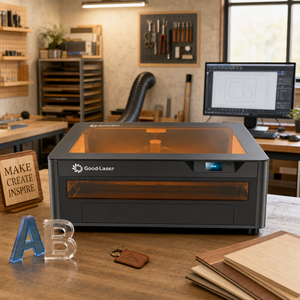
Featured Industrial Laser Machines for the Peru Market
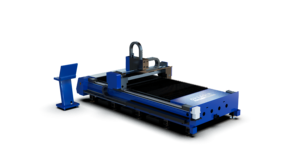
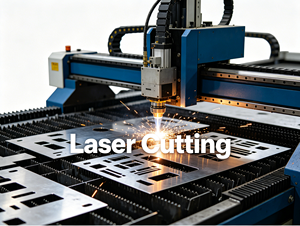
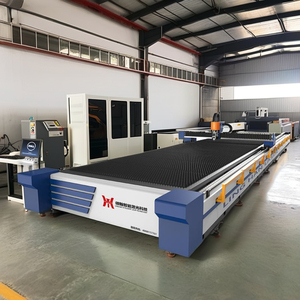
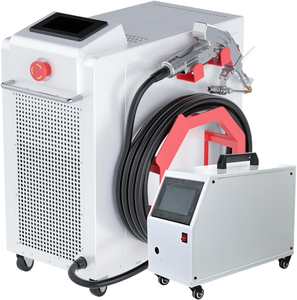
Rigid frame construction, Tier-1 optical components, and precision CNC controllers optimized for continuous multi-shift operations in Lima, Arequipa, Callao, and Andean industrial zones.
Market Intelligence & Technical Whitepaper
Peru's Industrial Transformation: The Shift to CNC Fiber Laser Manufacturing
Peru’s manufacturing and metalworking ecosystems are undergoing a rapid technological migration. Historically reliant on oxy-fuel, plasma cutters, and mechanical shearing, industrial hubs in Lima (San Juan de Lurigancho, Ate, Callao), Arequipa, and Trujillo are modernizing their production floors with high-precision fiber laser machine tools. Driven by major regional developments—including the strategic expansion of the Port of Chancay and growing investments in mining machinery repair, structural building components, and agricultural processing equipment—fabricators require higher edge quality, reduced thermal distortion, and lower cost-per-cut ratios.
Replacement of Legacy CO2 & Plasma Cutters
While CO2 laser systems remain essential for specialized non-metal processing (acrylics, timber, organic packaging), fiber laser resonators operating at the 1064nm optical wavelength offer 3x to 5x faster processing speeds on thin-to-medium steel sheets compared to legacy CO2 units. For Peruvian metal workshops, this translates into a 60% reduction in electrical power consumption per batch.
Precision Fabrication for Peru's Key Sectors
From food-grade 304/316L stainless steel tanks utilized in Ica’s agro-export facilities to heavy-duty structural steel plates (up to 25mm carbon steel) needed for Andean mining chassis, CNC fiber lasers provide oxide-free, burr-free edges. This eliminates secondary grinding operations, drastically cutting labor overhead in Peruvian workshops.
Targeted Application Engineering
Localized Industrial Application Scenarios Across Peru
Configured to withstand specific environmental, electrical, and material requirements found in regional Peruvian industrial zones.
Mining & Heavy Industry
Heavy Structural Steel & Chute Liners
High-power 8kW to 15kW fiber lasers are deployed in Arequipa and Moquegua for slicing thick carbon steel structural assemblies, wear plates, and conveyor framing. High dynamic acceleration (1.2G - 1.5G) ensures precise hole pierces without taper, essential for heavy bolt alignment in mining machinery maintenance.
Agro-Industrial Export
Food-Grade Stainless Processing Equipment
Concentrated in Piura, La Libertad, and Ica, agricultural processors require stainless steel sorting machinery, washing tanks, and conveyors. Nitrogen assist gas laser cutting produces bright, unoxidized edges that meet strict international hygienic standards for food contact without micro-cracking.
Urban & Infrastructure
Architectural Metalwork & Switchgear
Industrial parks across Metropolitan Lima rely on 1.5kW to 4kW single-table and exchange-table systems for cutting electrical enclosures, elevator cabins, decorative building facades, and HVAC sheet metal work with positioning accuracies reaching ±0.03mm.
Technical Engineering Data
Laser Power Selection Matrix & Operating Parameters
Standardized performance benchmarks to guide capital equipment procurement managers in evaluating production throughput.
| Laser Source Power |
Max Clean Cut (Mild Steel) |
Max Clean Cut (Stainless) |
Max Clean Cut (Aluminium) |
Assist Gas Type |
Typical Peru Application |
| 1.5 kW Fiber |
12 mm |
5 mm |
4 mm |
O₂ / N₂ / Compressed Air |
Light HVAC ducting, switchgear cabinets, job shop metalwork |
| 3.0 kW Fiber |
20 mm |
8 mm |
8 mm |
High-Pressure Nitrogen / Oxygen |
Commercial kitchenware, agricultural equipment, bus body parts |
| 6.0 kW Fiber |
25 mm |
14 mm |
12 mm |
Nitrogen / High-Pressure Air |
Medium structural steel, trailer chassis, mining hopper shells |
| 12.0 kW Fiber |
35 mm |
25 mm |
20 mm |
Ultra-High Pressure N₂ |
Heavy mining plates, structural beams, high-speed contract cutting |
| 15.0 kW + Fiber |
40 mm + |
35 mm + |
30 mm + |
Specialized Gas Mix / N₂ |
Shipbuilding components (Callao), heavy infrastructure foundations |
Procurement Knowledge Base
Frequently Asked Questions by Peruvian Fabricators
Addressing technical, operational, altitude, and financial considerations for importing laser cutters into Peru.
1. How does high altitude (e.g., Arequipa, Cusco, Cerro de Pasco) affect fiber laser performance?
+
At elevations above 2,500 meters, reduced atmospheric pressure affects chiller heat dissipation and air compressor density for assist gas cutting. Our technical team configures high-altitude industrial water chillers with oversized cooling capacities and specifies boosted air compressor pressure ratings (16 bar to 18 bar) to maintain constant laser resonator temperature and clean cut quality without thermal derating.
2. What electrical supply requirements are needed for installing a laser machine in Peru?
+
Industrial power grids in Peru primarily operate on 220V or 380V 3-phase at 60Hz. We equip export machines with dedicated isolation transformers and voltage regulators designed to step down or step up local voltage to the machine's nominal rating (typically 380V 60Hz), shielding sensitive CNC cards, optical drives, and laser sources from utility grid voltage spikes.
3. Should I select a Single Bed or Exchange Table (Dual Pallet) Laser Cutter?
+
A single-table machine is highly economical for low-to-medium batch sizes, prototype workshops, or plants with limited floor footprint. An exchange-table (dual shuttle pallet) machine allows operators to load a new raw metal sheet and unload cut parts while the laser is actively cutting inside the enclosed housing. If your daily production exceeds 6 hours per day, an exchange table increases laser beam-on efficiency by 30% to 45%, paying back its cost differential within months.
4. What assist gases are commonly used in Peru, and how do they impact cutting cost?
+
For carbon steel plate cutting, Oxygen (O₂) is standard; it reacts exothermically, allowing lower pressure and reduced gas consumption. For stainless steel and aluminium, Nitrogen (N₂) is used to prevent oxidation, creating a mirror-bright edge, though it consumes higher gas volumes. Many Peruvian workshops now utilize High-Pressure Industrial Air Compressors with de-oilers and desiccant dryers to cut thin carbon steel and stainless steel up to 3mm, slashing gas costs by up to 80%.
5. How are spare parts and optical consumables handled for overseas shipments?
+
Every machine dispatched to Peru includes a comprehensive "First-Year Spares Kit" containing protective optical windows, copper cutting nozzles (single and double layer), ceramic insulation rings, and alignment tools. Common consumables are standardized across major global brands (Raytools, Precitec), making local emergency replacement simple, while direct factory express dispatch can reach Lima within 3 to 5 business days via DHL/FedEx.
6. What is the process for importing direct from the factory to the Port of Callao?
+
We provide full FOB or CIF Callao terms. We supply the commercial invoice, packing list, bill of lading, and certificate of origin needed for customs clearance under Peruvian import regulations. You can utilize your local customs broker (Agente de Aduana) in Callao to handle customs tariffs (Ad-Valorem) and IGV (Impuesto General a las Ventas) before dispatching the container on a low-boy truck to your factory floor.