Engineered for structural steel fabricators, marine engineers, and job shops across Auckland, Christchurch, Waikato, and regional NZ. Every machine features heavy-duty stress-relieved frames and world-class componentry.
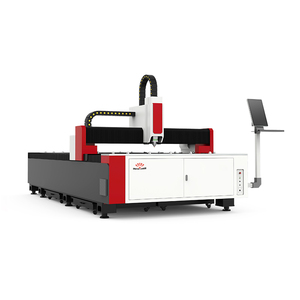
Large-format 4000x1500mm cutting bed optimized for medium to heavy plate steel processing with rapid shuttle table efficiency.
Get a Quote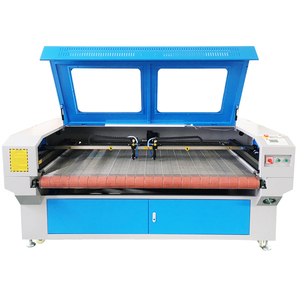
Precision 100W-180W dual-purpose workstation for acrylic, wood, gaskets, rubber, and non-ferrous trim applications.
Get a Quote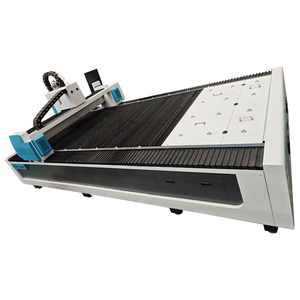
Factory-direct CNC fiber cutter built for continuous metal blanking, backed by full engineering support and a 3-year warranty.
Get a Quote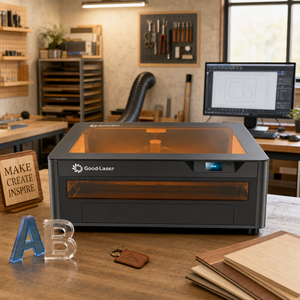
Compact Class-1 safety enclosed cutter with 0.01mm positioning accuracy for precision prototyping and light production.
Get a Quote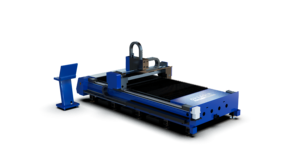
Compact-footprint fiber sheet cutter engineered for fast job-shop turnaround on stainless steel, carbon steel, and brass sheet.
Get a Quote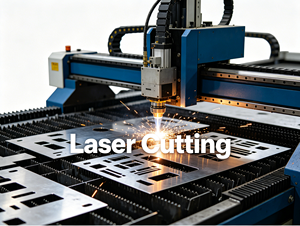
Versatile processing rig equipped with back-reflection protection for clean cutting of aluminium, copper, brass, and galvanized steel.
Get a Quote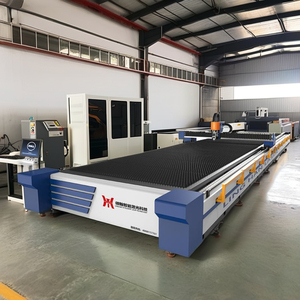
Industrial heavy-duty platform in 3015 & 4015 configurations designed for rapid nitrogen bright cutting and thick mild steel plate execution.
Get a Quote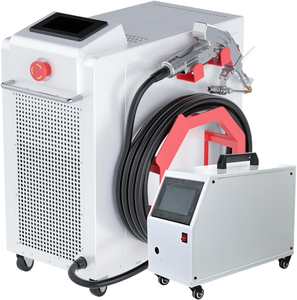
Water-cooled portable laser workstation capable of high-speed welding, localized edge trimming, and seam cleaning on stainless and mild steel.
Get a QuoteNew Zealand’s industrial landscape is defined by rigorous quality benchmarks, demanding geographical distributions, and strict compliance standards—specifically under AS/NZS 5131 structural steel execution codes and regional environmental regulations. For Kiwi engineering firms, job shops, and original equipment manufacturers (OEMs), procuring industrial steel cutting equipment is no longer merely a capital expenditure; it is a core operational strategy to offset high localized labor costs, eliminate material waste, and mitigate global supply disruption risks.
Historically reliant on imported structural components or legacy high-definition plasma cutters, New Zealand manufacturers in key centers—such as the Greater Auckland Area, Canterbury, Waikato, and Bay of Plenty—are rapidly upgrading to high-kilowatt CNC fiber laser cutting systems. The transition from legacy thermal cutting methods to fiber laser technology provides a step-change improvement in operational efficiency, cut-edge squareness, heat-affected zone (HAZ) minimization, and electrical power conservation.
When selecting a steel cutter supplier for New Zealand applications, machine buyers must evaluate performance across locally specified structural and specialized metal alloys. Marvel Industrial Solution engineers machine bed mechanics and optical parameters to deliver high-rate, clean-edge processing across all primary local substrates:
For New Zealand procurement directors evaluating Total Cost of Ownership (TCO), the table below details the operational performance metrics of fiber laser systems compared to conventional metal cutting options available in the domestic market:
| Performance Metric | Fiber Laser (1.5kW - 30kW) | HD Plasma Cutting | CO2 Laser Systems | Waterjet Cutting |
|---|---|---|---|---|
| Cutting Speed (Thin Sheet <6mm) | Ultra-High (>35 m/min) | Moderate (4–8 m/min) | High (12–18 m/min) | Low (0.5–2 m/min) |
| Heat Affected Zone (HAZ) | Minimal (<0.1mm) | Significant (1.5–3.0mm) | Moderate (0.3–0.8mm) | Zero Thermal Damage |
| Electrical Consumption (3kW System) | Low (~12–15 kW Total) | High (~30–45 kW Total) | Very High (~40–60 kW) | Moderate (~22–30 kW) |
| Edge Taper & Kerf Precision | ±0.03 mm (Near Vertical) | ±0.5–1.2 mm (Noticeable Taper) | ±0.08 mm | ±0.05 mm |
| Consumable / Operational Cost | Low (Nozzles, Protection Windows) | High (Electrodes, Gas, Nozzles) | High (Laser Gas, Optics, Turbo) | Very High (Abrasive Garnet) |
| Routine Optical Maintenance | Zero Maintenance Beam Path | Torch Body Maintenance | Frequent Mirror Alignment | High Pressure Pump Seals |
From commercial marine engineering in Northland to seismic structural fabrication in Christchurch, our machine configurations match regional manufacturing profiles.
Execution of heavy structural gusset plates, seismic beam connections, and lintels compliant with AS/NZS 5131. High-kilowatt exchange table fiber lasers enable continuous processing of 20mm–30mm carbon steel plates without thermal distortion.
Clean, oxide-free cutting of high-purity Grade 316L stainless steel sheet for milk silos, heat exchangers, and hygienic piping flanges. High-pressure nitrogen assist ensures zero discoloration and optimal weldability.
Rapid profiling of 5083 marine aluminium hull plates, internal stringers, and custom boat fittings. Anti-reflective optical protection preserves beam consistency during prolonged aluminium profiling shifts.
Fabrication of heavy-duty agricultural implements, soil cultivators, trailer chassis, and timber processing equipment. Precision laser blanking cuts wear-resistant steel (Hardox/Bisalloy) with absolute edge fidelity.
Job shops requiring versatile single-table or auto-feeding laser systems to rapidly switch between thin galvanized sheet metal, decorative architectural screens, and brass trim with minimal setup times.
As New Zealand advances toward strict decarbonization goals and faces ongoing skilled labor constraints, manufacturing businesses must adopt automated, highly efficient production technologies. Key trends driving machinery procurement decisions across NZ include:
With electricity prices fluctuating, NZ fabricators are deploying ultra-high-power lasers to cut medium-thickness plate with compressed air instead of expensive bottled gas, reducing cut costs by up to 65% per meter.
To maximize workshop throughput without adding shift headcount, dual-pallet shuttle tables and gantry robot loaders are becoming standard operational requirements for Tier-1 and Tier-2 suppliers.
Strict compliance with structural execution standards requires part tracking numbers and QR codes. Integrated laser marking stations ensure full mill-certificate traceability from raw sheet to final install.
Traditional TIG/MIG welding shortages are driving rapid adoption of 3-in-1 handheld fiber laser welders, allowing entry-level operators to produce clean, low-distortion seams four times faster.
We are a direct machinery manufacturer, not a trading company. Every machine bed is engineered, stress-relieved, and precision-machined in-house to ensure long-term stability.
Our heavy steel gantry frames undergo high-temperature furnace annealing at 600°C to eliminate welding stress. This ensures frame integrity and ±0.03mm accuracy across decades of hard industrial use.
We integrate certified tier-1 components: Raycus/MAX/IPG fiber sources, Precitec/Raytools autofocus laser heads, Yaskawa/Schneider servo drives, and Shimpo reducers with full global spare parts availability.
All export orders ship with full electrical schematics customized for 400V 3-Phase 50Hz grid setups, utility lists, foundation blueprints, pre-shipment trial videos, and nesting software parameter libraries.
Beyond standard fiber cutters, our engineering division designs custom automated polishing systems, gantry pick-and-place robots, and stamping press transfer lines engineered to exact cycle targets.
Equipped with integrated IoT gateways, our technical support engineers perform real-time parameter tuning, firmware updates, and remote fault diagnostic analysis to minimize machine downtime.
Send your actual CAD drawings (DXF/DWG) to our team. We cut your specified sheet metal samples, inspect edge squareness, and provide full high-resolution optical reports prior to dispatch.
Answers to common commercial, technical, and logistical queries from Kiwi fabrication directors.
All machines exported to New Zealand are specifically configured for NZ’s 400V (+/-10%), 3-phase, 50Hz grid system. Electrical enclosures utilize CE and ISO certified switchgear, Schneider contactors, and high-spec industrial isolation transformers to pass local site compliance and WorkSafe regulations seamlessly upon installation.
Production build and factory acceptance testing typically take 20–35 days. Sea freight shipping to major New Zealand ports—including Port of Auckland (POAL), Lyttelton Port (Christchurch), and Tauranga—takes approximately 18–25 days in transit. Machines ship fully seaworthy packaged in moisture-proof vacuum wrapping and heavy steel-reinforced wooden cases.
For general jobbing workshops handling up to 16mm mild steel and 8mm stainless, a 3kW to 6kW system delivers the best cost-to-speed ratio. If your regular daily production involves 20mm–30mm structural plate cutting, a 12kW to 15kW exchange table configuration is recommended to maintain high cutting velocity and oxide-free nitrogen edges.
Oxygen is ideal for clean cutting of carbon steel thick plate. High-pressure Nitrogen is required for bright, oxide-free edges on stainless steel and aluminium. For thin-to-medium sheet metal (<8mm), installing a high-pressure (16-22 bar) compressed air system reduces assist gas operating costs by over 70% compared to bottled gas supplies in New Zealand.
A single-table machine requires stopping the laser while operators unload cut parts and load new sheet. Dual-pallet exchange tables shuttle sheets in under 15 seconds while the laser continues cutting inside the cell. For workshops cutting more than 5 hours per day, an exchange table recovers 25–35% more production time per shift, yielding rapid payback on investment.
Every machine delivery includes a first-year operational spares kit: protective lens windows, cutting nozzles (various diameters), ceramic sensor rings, and seal rings. Consumable items are standardized across major global brands, allowing local procurement from NZ industrial suppliers or fast direct-dispatch from our factory stock.
Machines ship with comprehensive setup videos, interactive CAM software manuals, and documented parameter libraries. Installation can be supported via on-site field engineers or step-by-step remote commissioning guided by our senior application team via dedicated video link and live IoT system telemetry.
Send us your DXF/DWG part drawings, metal grades, and target monthly output. Our application engineers will calculate cycle times, recommend exact machine power, and provide a transparent direct quote.
